
 English
 Deutsch
 Español
 Français
 Беларуская

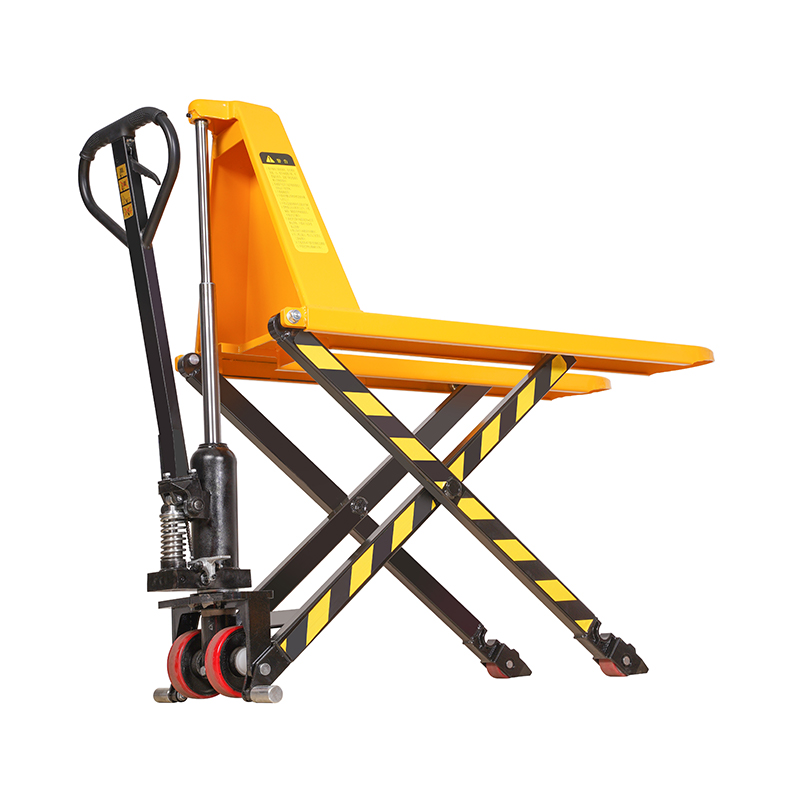
A high lift scissor truck is a versatile material handling tool designed to lift, transport, and position heavy loads to elevated working heights. By integrating the horizontal mobility of a standard pallet truck with the vertical elevation of a scissor lift mechanism, this equipment provides a dual-function solution that drastically reduces manual labor and optimizes ergonomic safety across various industrial environments. It eliminates the need for multiple pieces of equipment, streamlining operations from the loading dock to the assembly line.
Core Mechanism and Structural Design
Hydraulic Elevation System
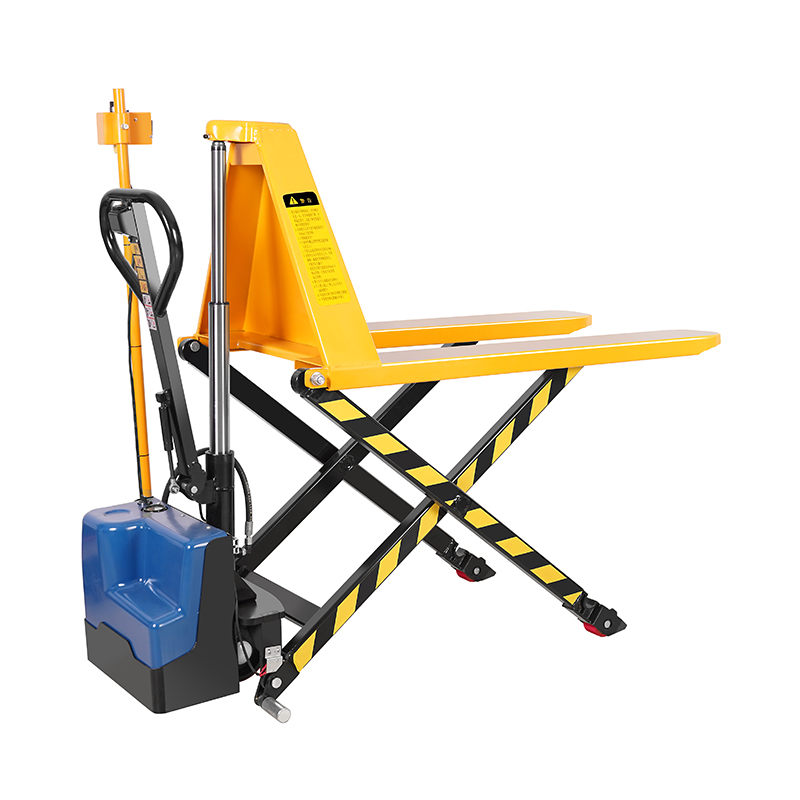
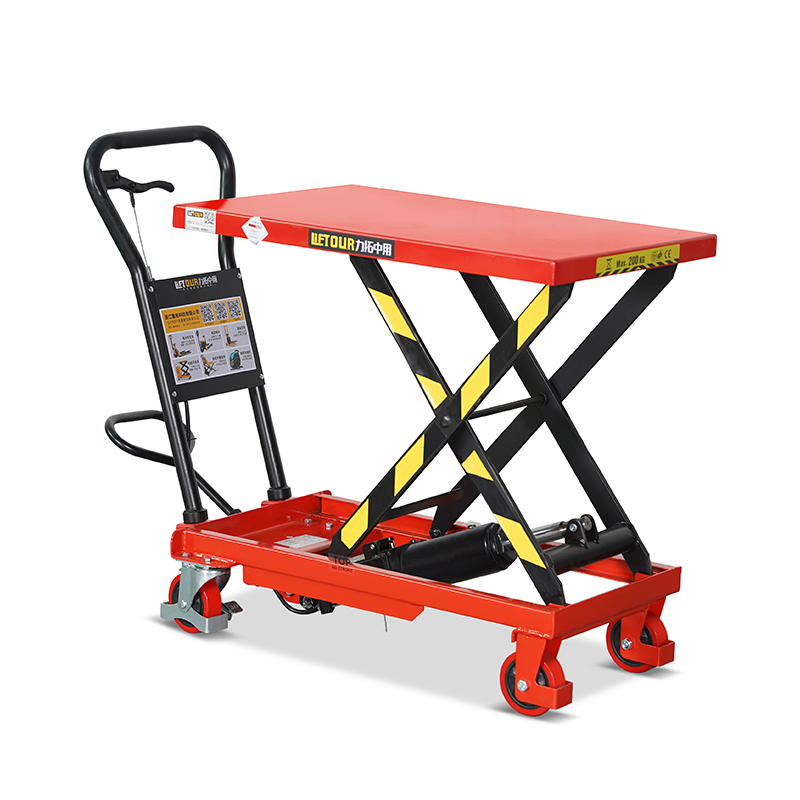
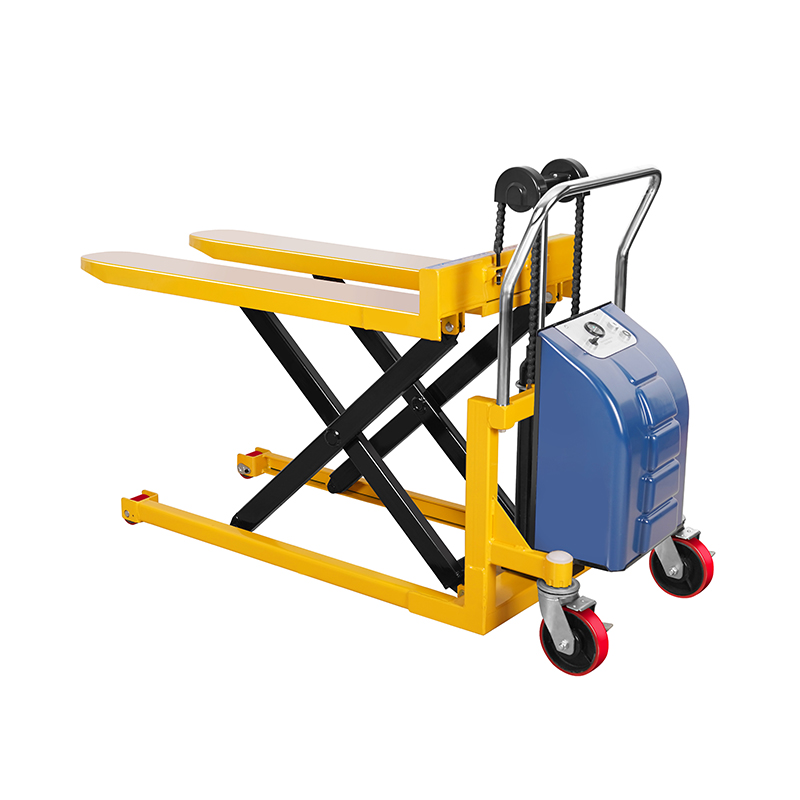
The fundamental operation of a high lift scissor truck relies on a robust scissor mechanism composed of interlocking metal supports. When hydraulic pressure is applied—either through a manual foot pump or an electric motor—the cylinder extends, pushing the scissor arms apart and raising the platform vertically. This vertical movement ensures exceptional stability, preventing the lateral swaying common in other lifting devices. The design allows the forks to rest flat on the ground when lowered, meaning it can slide under standard pallets just like a regular pallet jack. This zero-clearance entry is critical for seamless logistics.
Chassis and Mobility Features
The base of the truck features heavy-duty steering wheels and load rollers, allowing operators to maneuver heavy loads through narrow warehouse aisles. The scissor arms distribute the weight of the load evenly across the chassis, reducing point-load stress and extending the equipment's lifespan. Polyurethane wheels are often preferred for their floor protection and quiet operation, while nylon wheels excel in heavy-duty environments due to their high load-bearing capacity. Once the load is positioned at the desired location, the operator engages the stabilization brakes, securing the chassis firmly in place.
Key Advantages for Modern Operations
The integration of transport and lifting capabilities offers profound benefits for workplace efficiency and worker well-being. In modern operations, workplace ergonomics is not just a luxury; it is a regulatory and moral necessity. Musculoskeletal disorders are among the leading causes of lost workday injuries. By elevating the load, the high lift scissor truck directly combats the primary cause of these disorders: repetitive bending, twisting, and reaching. Furthermore, the dual-function nature of the equipment streamlines the workflow, allowing a single operator to complete tasks that would otherwise require a secondary lifting device or a colleague's assistance.
- Ergonomic Positioning: Elevates loads to optimal working height, reducing physical strain.
- Time Efficiency: Eliminates transferring goods between a jack and a separate lift table.
- Space Optimization: Combines two machines into one, freeing up valuable floor space.
- Versatile Deployment: Useful in warehouses, assembly lines, and maintenance workshops.
- Reduced Product Damage: Smooth lifting minimizes shock to fragile goods.
- Enhanced Safety: Built-in features prevent accidental lowering and uncontrolled movement.
Primary Industrial Applications
Warehousing and Order Picking
In distribution centers, high lift scissor trucks are used to position pallets at ergonomically correct heights for order pickers. Instead of bending down to pick items from the floor, workers can adjust the load to their waist level, significantly accelerating the picking process and reducing physical fatigue. This leads to higher throughput and fewer workplace injuries.
Manufacturing and Assembly Lines
In the manufacturing sector, production lines rely heavily on continuous material flow. A high lift scissor truck can serve as a mobile buffer station. When an assembly station runs low on parts, the truck can transport a fresh pallet from storage and position it directly beside the worker, adjusting the height to match the conveyor or workbench. As parts are assembled and the pallet fills up, the operator can lower the truck slightly to maintain a consistent working height.
Equipment Maintenance
Maintenance departments utilize these trucks to lift heavy machinery parts, engines, or tools to the precise height needed for repair. Mechanics often struggle with heavy, awkward components. Using a high lift scissor truck, a heavy transmission or motor can be lifted precisely to the height of the engine bay, allowing for safer, more precise alignment without the strain of manual lifting.
Crucial Safety Protocols
Operating a high lift scissor truck requires strict adherence to safety protocols to prevent accidents and equipment failure. Safety cannot be overstated when dealing with elevated loads. The center of gravity shifts as the load rises, making stability the primary concern. Operators must ensure the load is shrink-wrapped or strapped securely to the pallet. The scissor mechanism is designed with safety features, but operators must never attempt to bypass them or use the equipment for purposes outside its design, such as lifting personnel.
- Pre-Operation Inspection: Always check the forks, scissor arms, and hydraulic system for wear or damage before use.
- Load Centering: Ensure the load is evenly distributed on the forks to prevent tipping during elevation.
- Capacity Awareness: Never exceed the rated load capacity, as this can cause mechanical failure or loss of stability.
- Engage Brakes Before Lifting: The stabilization brakes must be fully engaged before raising the load.
- Clear the Operating Area: Ensure no personnel are standing near or under the elevated load during operation.
- Controlled Lowering: Lower the platform slowly and smoothly to avoid sudden shifts in the load center of gravity.
Essential Selection Criteria
Choosing the right high lift scissor truck depends on specific operational demands. Key factors include load capacity, maximum lifting height, and power source. Beyond the basic manual versus electric choice, buyers must consider the lowered height of the forks, the turning radius of the chassis, and the type of hydraulic pump. A smaller turning radius is essential for cramped retail backrooms or narrow warehouse aisles. For operations that require frequent lifting to maximum heights throughout the day, an electric model with an integrated charging system is indispensable. For operations where lifting is only required occasionally, a manual model offers a cost-effective, low-maintenance solution.
| Feature | Manual Model | Electric Model |
|---|---|---|
| Power Source | Hydraulic Hand Pump | Rechargeable Battery |
| Lifting Effort | Physical Pumping Required | Push Button Operation |
| Ideal Use Case | Lighter Loads, Occasional Use | Heavy Loads, Frequent Elevation |
| Overall Mobility | Manual Pulling/Pushing | Powered Driving System |
Investing in a high lift scissor truck is a strategic decision for any facility aiming to improve material handling efficiency and worker safety. By combining horizontal transport with vertical elevation, this tool eliminates redundant steps in the workflow and creates a highly adaptable operational environment.