
 English
 Deutsch
 Español
 Français
 Беларуская

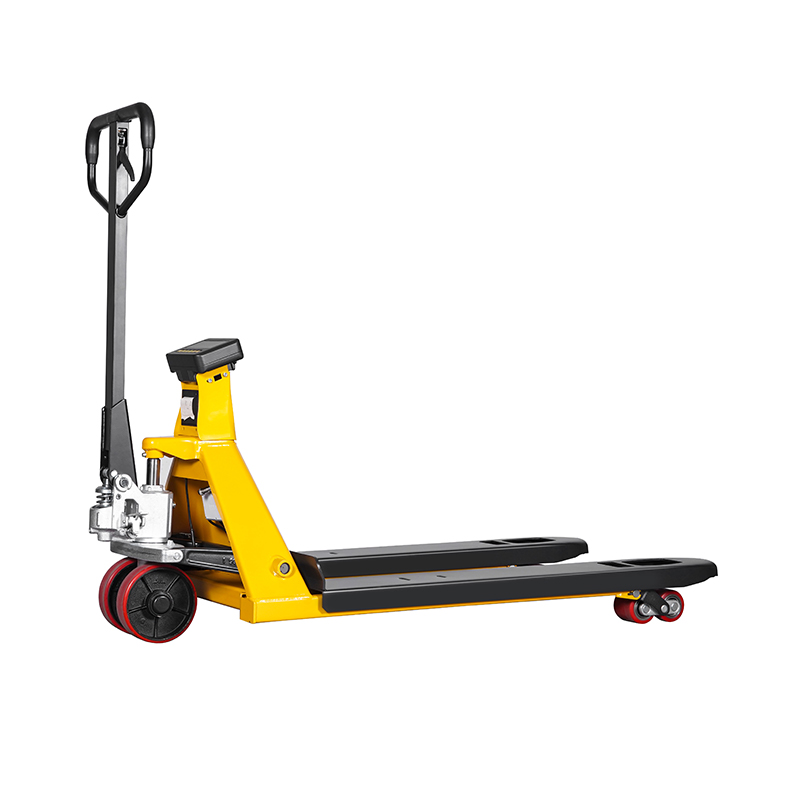
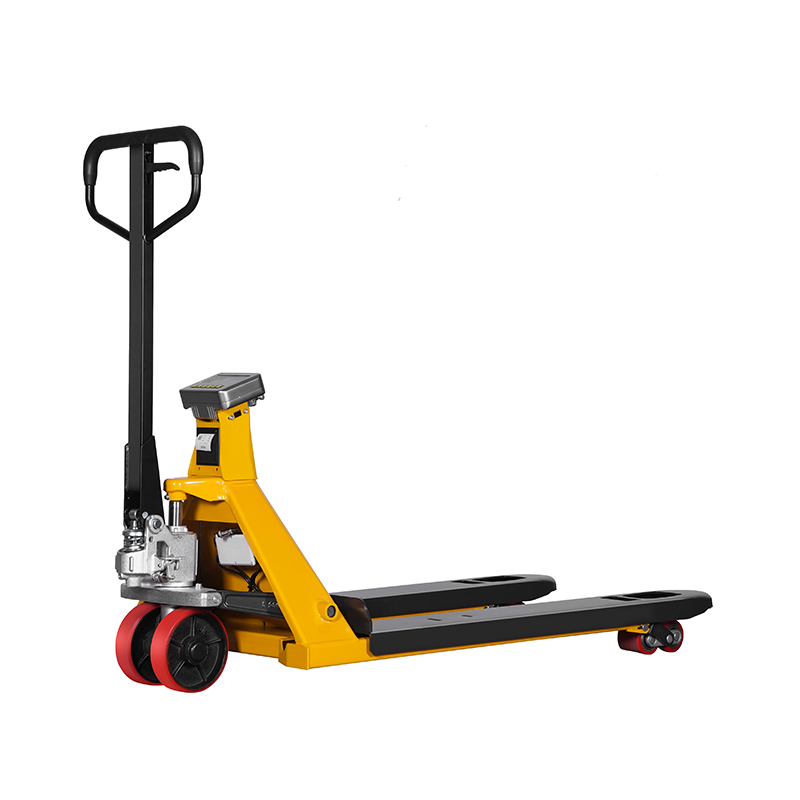
A weighing scale pallet truck is an indispensable tool for modern logistics and warehouse management, serving as a hybrid device that combines the functionality of a manual pallet jack with an industrial weighing scale. The primary conclusion is that integrating the weighing process directly into the material handling step significantly reduces operational time and eliminates redundant movements. By allowing operators to weigh loads instantly during transport, businesses can capture weight data for shipping, inventory control, and safety compliance without requiring a separate, dedicated trip to a floor scale. This convergence of functions leads to a streamlined workflow, reduced labor costs, and minimized error margins in weight recording.
Understanding the Core Functionality
To fully appreciate the utility of this equipment, it is necessary to understand how it operates. Unlike standard pallet jacks that rely solely on hydraulic systems to lift loads, these trucks are equipped with highly sensitive load cells embedded within the forks or the carriage structure.
Integration of Mechanics and Electronics
The device retains the traditional manual hydraulic pump mechanism for lifting heavy pallets. However, once the load is elevated off the ground, the gravitational force exerted on the forks is converted into an electrical signal by the strain gauges in the load cells. This signal is processed by a digital indicator usually mounted on the handle, providing an immediate readout of the weight. This seamless integration ensures that the weighing process does not hinder the mechanical operation of moving goods.
The Role of Load Cells
The accuracy of the weighing scale pallet truck depends heavily on the quality of the load cells. These are transducers that create a change in electrical resistance when subjected to force or pressure. In a practical warehouse setting, these cells must be robust enough to withstand shock loads, accidental collisions, and the general rigors of daily use while still maintaining precision. High-quality models often feature protected load cell designs to prevent damage from water or dust, ensuring reliable performance over the long term.
Operational Efficiency and Cost Reduction
The adoption of this equipment is driven by tangible returns on investment. The most significant benefit is the optimization of workflow processes. In a traditional warehouse setting without integrated scales, the process of weighing a pallet involves multiple steps: transporting the goods to a designated scale area, waiting for the weighing process, and then moving the goods to the dispatch zone.
Streamlining Workflows
By utilizing a weighing scale pallet truck, the weighing step occurs simultaneously with the transport step. This reduction in travel distance and handling time can increase overall throughput by a considerable margin. For example, in a busy shipping department where hundreds of pallets are processed daily, saving even a few minutes per pallet accumulates into hours of saved labor per shift. This efficiency allows warehouses to process more orders with the same headcount or reallocate labor to more value-added tasks.
Prevention of Overloads
Another critical aspect of cost reduction is the prevention of overloaded shipments. Shipping containers and trucks have strict weight limits. Overloading can result in significant fines, delays, or even accidents. Using a pallet truck with a scale allows operators to verify the weight of the load before it is loaded onto a truck. Ensuring that the weight is within legal and safety limits helps avoid costly penalties and potential damage to transport vehicles. Furthermore, it aids in maximizing the load capacity of trucks without exceeding limits, optimizing shipping costs.
Key Factors for Selection
When selecting a weighing scale pallet truck, managers must evaluate several technical specifications to ensure the equipment matches their specific operational needs. It is not a one-size-fits-all purchase; the right choice depends on the nature of the goods, the environment, and data requirements.
Capacity and Precision
The maximum lifting capacity is a primary specification. While standard pallet trucks may handle 2,000 to 2,500 kilograms, weighing variants must match or exceed this requirement while maintaining structural integrity for the sensors. Equally important is the graduation, or the smallest increment the scale can display. For legal-for-trade applications, high precision is non-negotiable. For general internal inventory checks where exact legal weight is less critical, a standard graduation may suffice.
Display and Connectivity Options
The indicator head is the interface between the machine and the operator. Modern indicators offer features that go beyond simple digital readouts. Key considerations include:
- LCD Backlight: Essential for reading weights in dimly lit warehouses or during night shifts.
- Hold Function: Freezes the weight display on the screen after the load is set down, allowing the operator to record the data even after moving the truck.
- Data Connectivity: Advanced models can connect to warehouse management systems (WMS) via Bluetooth or Wi-Fi, transmitting weight data automatically to eliminate manual data entry errors.
Fork Dimensions and Wheel Type
The physical dimensions of the forks must be compatible with the standard pallets used in the facility. Standard fork lengths are typically around 1150mm, but shorter or longer options exist for specific pallet types or confined spaces. The wheels also play a role in usability. Nylon wheels are durable and suitable for smooth concrete floors, while polyurethane or rubber wheels might be preferred for noisy environments or uneven surfaces to protect both the floor and the scale mechanism from excessive vibration.
Comparison of Weighing Methods
To visualize the advantages of the pallet truck scale, it is helpful to compare it directly with traditional methods. The following table outlines the differences between using a dedicated floor scale and a mobile pallet truck scale within a warehouse workflow.
| Feature | Weighing Scale Pallet Truck | Traditional Floor Scale |
|---|---|---|
| Portability | High; can be moved anywhere in the warehouse | Low; fixed location requires goods to be brought to it |
| Process Steps | One step: Lift and weigh simultaneously | Multiple steps: Transport to scale, weigh, move away |
| Space Requirement | Minimal; uses existing aisle space | High; requires dedicated floor space and approach ramps |
| Accuracy Tolerance | Suitable for general logistics and check-weighing | Often higher precision for specialized legal trade |
Maintenance and Longevity
To ensure the accuracy and safety of a weighing scale pallet truck, a strict maintenance regimen is essential. While these devices are built for industrial durability, the electronic components add a layer of complexity compared to manual jacks.
Regular Calibration
Over time, the accuracy of the load cells can drift due to mechanical stress, temperature fluctuations, and general wear and tear. Regular calibration using certified test weights is mandatory to maintain data integrity. The frequency of calibration depends on the intensity of use and industry regulations, but a general guideline is to perform a check at least once or twice a year. This ensures that the weight displayed matches the actual weight of the goods.
Battery Management
The digital display and the printer (if equipped) are powered by rechargeable batteries. Proper battery maintenance is crucial to avoid downtime. Operators should follow best practices for charging, such as not letting the battery fully discharge before recharging and ensuring the charging port is kept clean and dry. A scale truck with a dead battery is reduced to a standard pallet jack, losing its value-adding capability until charged.
Mechanical Inspection
The hydraulic system and wheels require the same attention as a standard pallet truck. Regular checks for hydraulic leaks, oil levels, and wheel wear are necessary. If the hydraulic system fails to lift the load smoothly, it can cause shock loading on the weigh bars, potentially damaging the delicate sensors. Therefore, maintaining the mechanical health of the truck is directly linked to preserving the life of the weighing components.
Environmental Considerations
The operating environment plays a significant role in the selection and durability of the equipment. Warehouses vary greatly in terms of temperature, humidity, and cleanliness.
Protection Ratings (IP Ratings)
For environments where the truck may be exposed to water, such as in food processing plants or outdoor loading docks, the scale indicator and load cells must have adequate Ingress Protection (IP) ratings. An IP65 or IP67 rating ensures that the electronics are sealed against dust and water jets. This protection prevents corrosion and short circuits that could render the scale inoperable. Using a standard, non-sealed scale in a wet environment is a common cause of premature failure.
Temperature Extremes
Extreme cold, such as in frozen storage warehouses, can affect both the hydraulic fluid and the electronic components. Hydraulic fluid can thicken in low temperatures, making pumping difficult and potentially affecting the scale's reading stability. Additionally, standard LCD screens may become sluggish or unresponsive in freezing conditions. For cold storage applications, specific models with heated displays or specialized hydraulic fluids and components designed for low temperatures are necessary to ensure reliable operation.
Strategic Value in Inventory Management
Beyond shipping and receiving, the weighing scale pallet truck is a powerful tool for inventory management. Accurate weight data can be used to verify incoming shipments against supplier invoices, ensuring that the business pays for exactly what it receives.
Piece Counting
Many advanced scale indicators feature a "piece counting" function. By inputting the weight of a single unit, the scale can calculate the total number of items on a pallet based on the total weight. This is incredibly useful for inventory audits, especially for small parts or items that are time-consuming to count manually. This feature turns the pallet truck into a mobile inventory station, increasing the speed and accuracy of stock takes.
In conclusion, the weighing scale pallet truck is far more than a convenience; it is a strategic asset. By merging material handling with data collection, it provides a lean solution to modern logistical challenges. When selected correctly based on capacity, precision, and environmental needs, and maintained with care, it offers a robust return on investment through enhanced efficiency, error reduction, and improved safety compliance.