

 English
 Deutsch
 Español
 Français
 Беларуская

Product Category
Contact us
Lifting Table Cart, Lifting Platform Vehicle Supplier


About Us
Hangzhou Viilift Industrial Equipment Co., Ltd.
As a high-tech enterprise with 20 years of industry experience, we specialize in
the research, development, production, and sales of logistics handling equipment
and small lifting equipment. We are China Wholesale Lifting Table Cart Supplier and OEM/ODM Lifting Platform Vehicle Factory. With 22 national patents, the company demonstrates
its strong technical innovation capabilities.
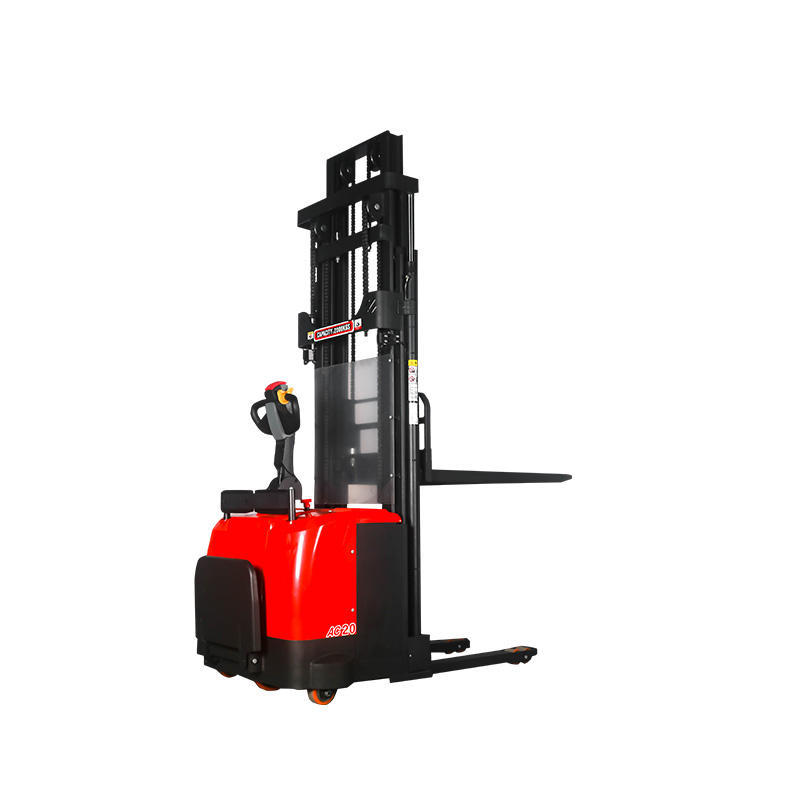
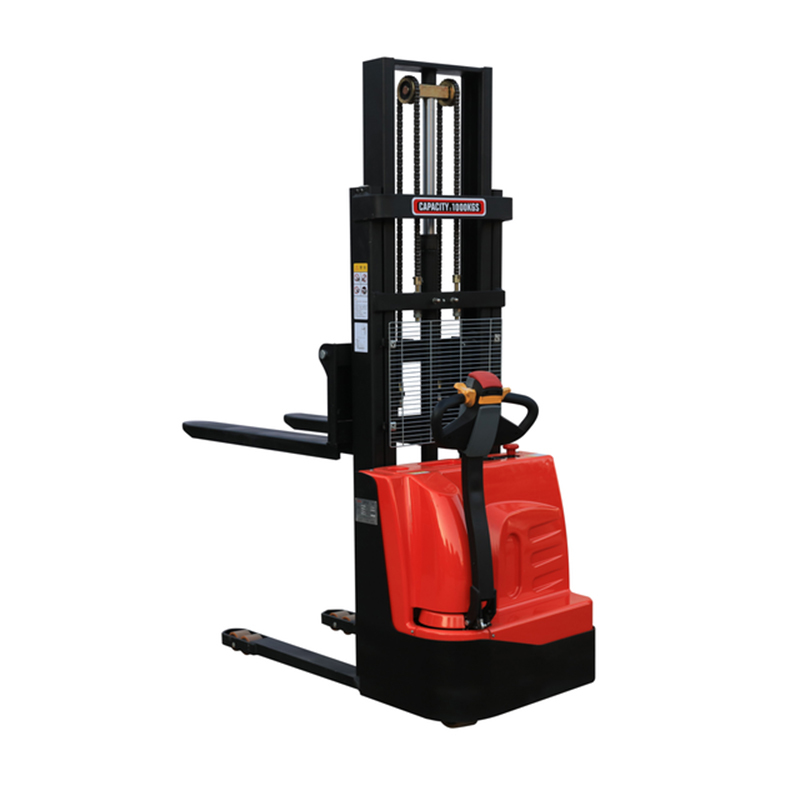
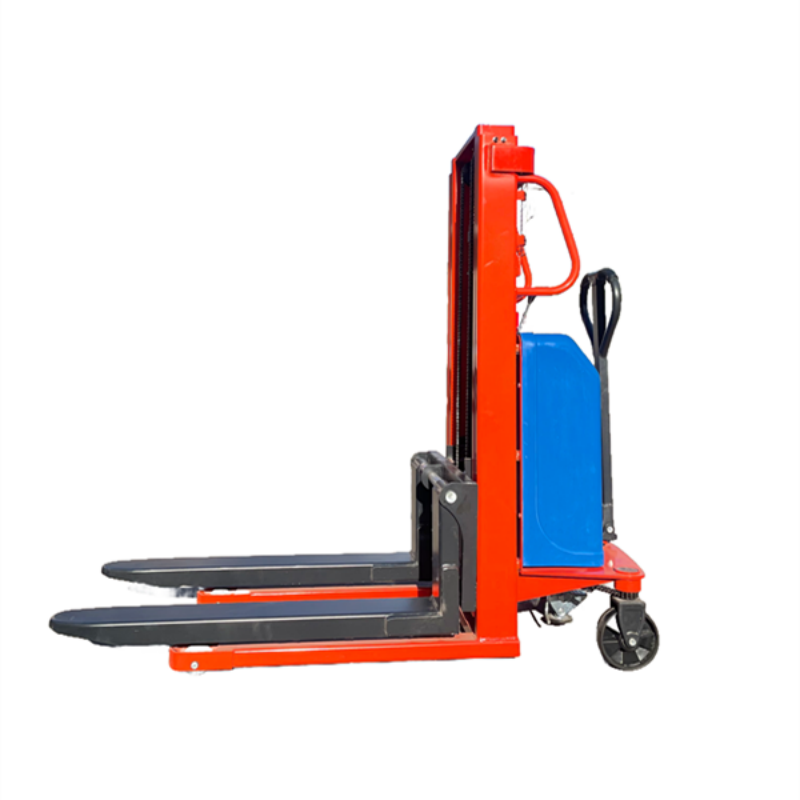
Our main products include intelligent handling robots, electric forklifts, manual hydraulic
handling trucks, and light cranes, which are widely used in industries such as manufacturing,
warehousing logistics, e-commerce, automotive, and pharmaceuticals to help enterprises improve
logistics efficiency. Relying on a provincial-level technology research and development center,
our independently developed intelligent control systems and high-efficiency drive
technologies ensure that our products excel in efficiency, safety, and energy conservation.
Certificate Of Honor
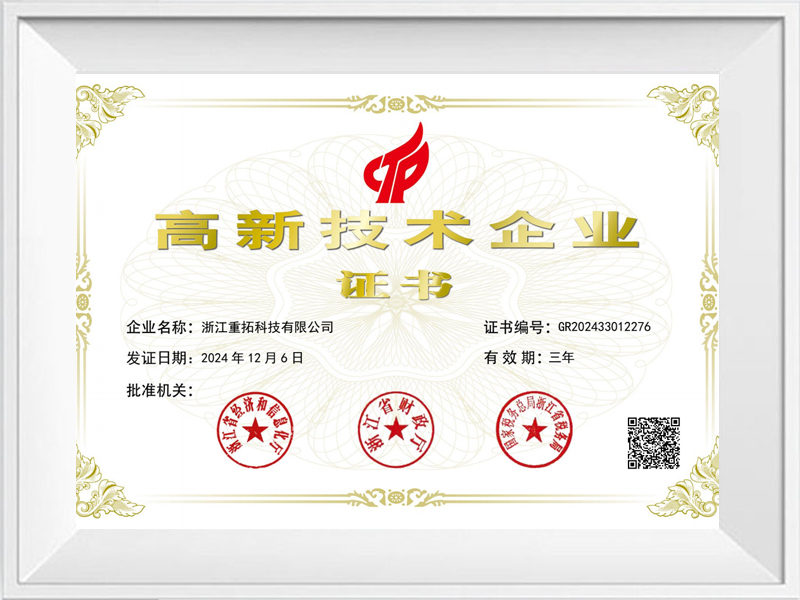
High-tech Enterprise Certificate
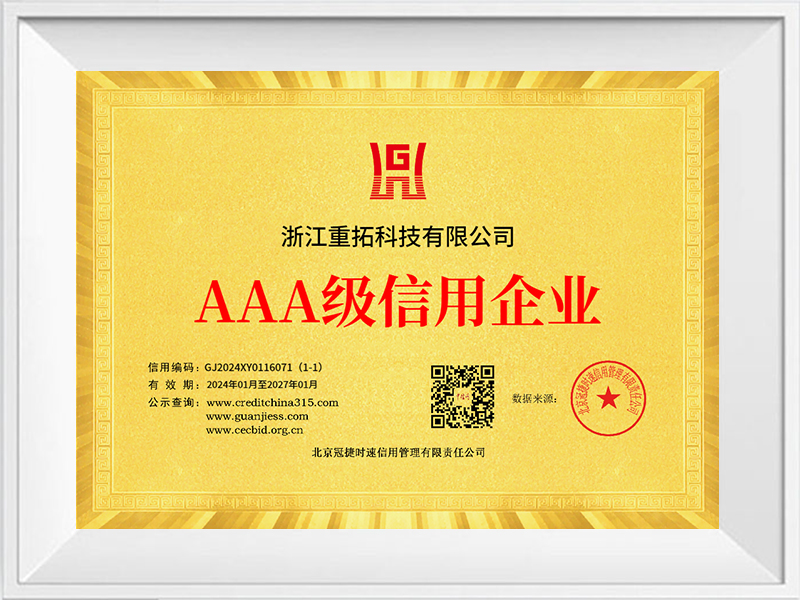
AAA-rated credit enterprise
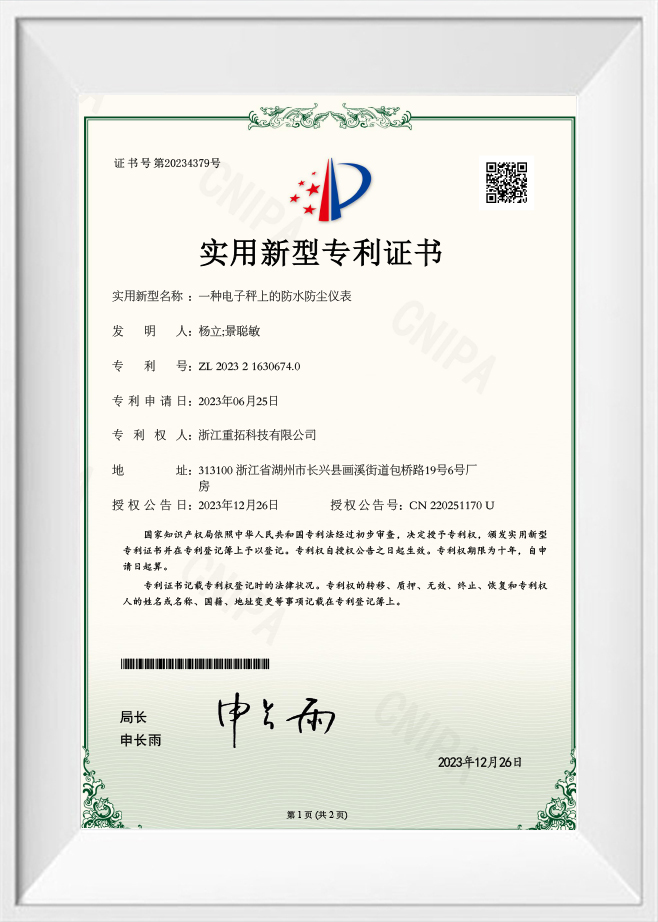
Practical Patent Certificate
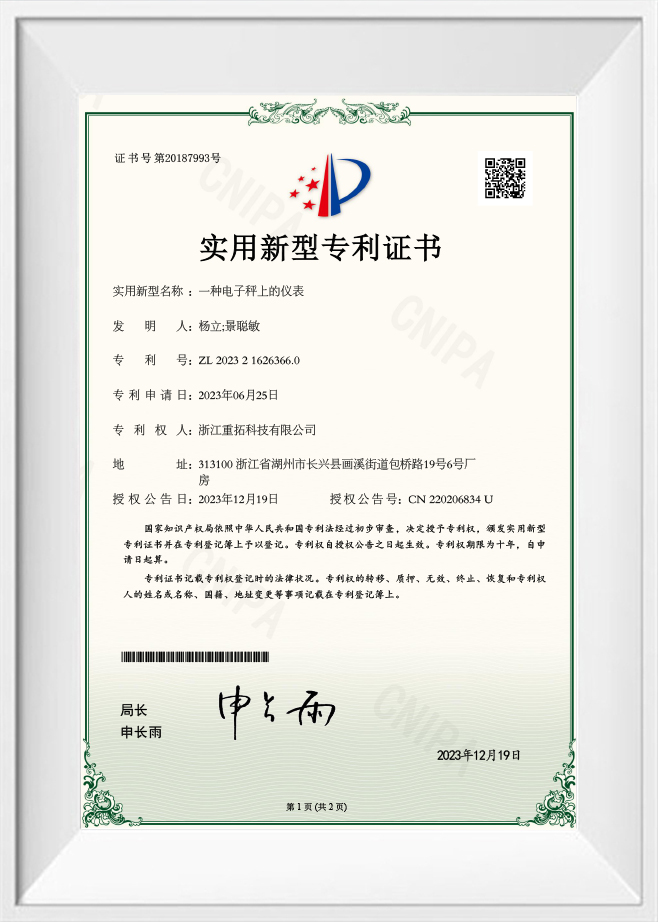
Practical Patent Certificate
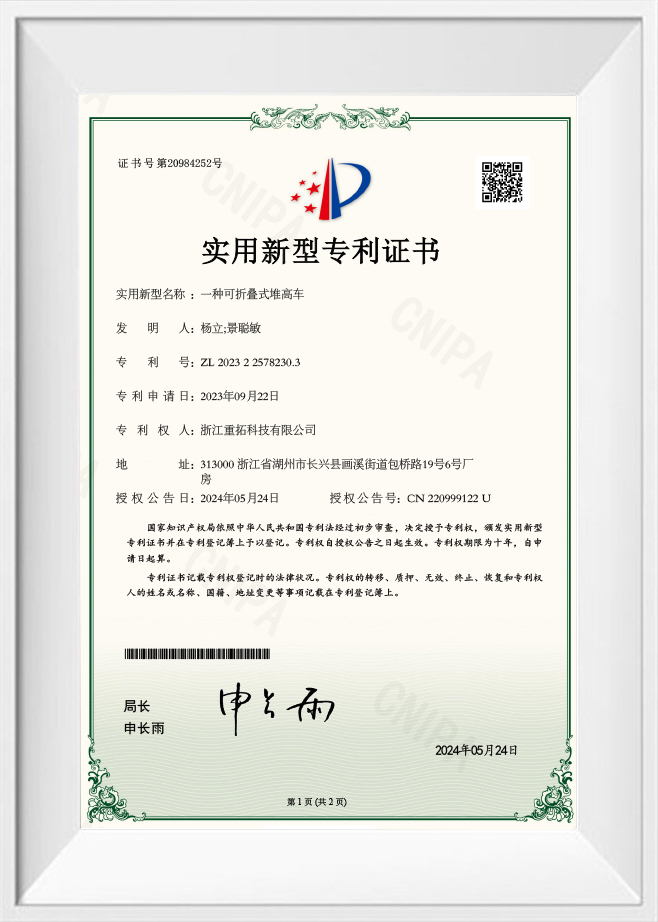
Practical Patent Certificate
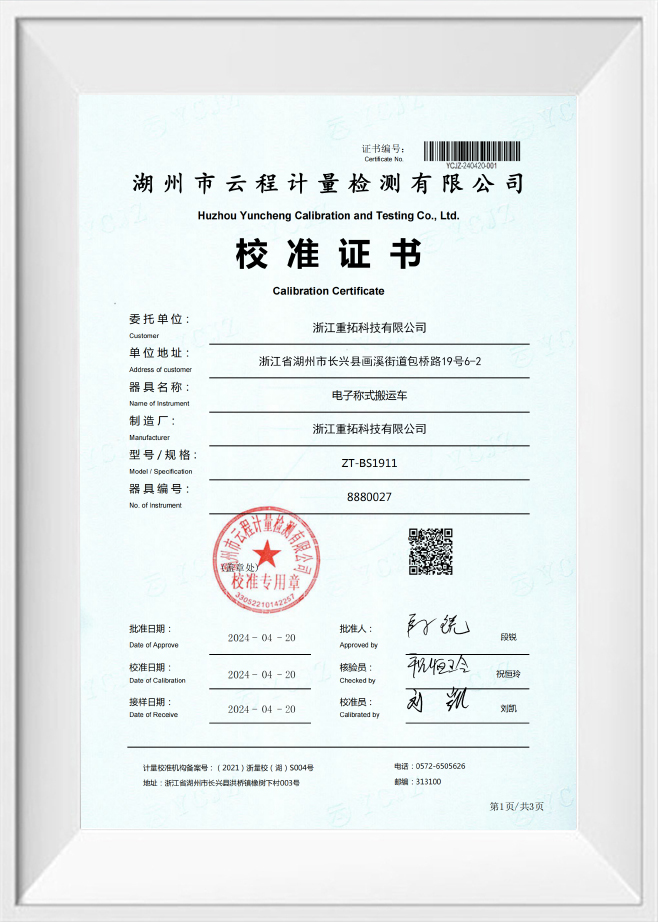
Electronic Scale-Type Forklift Calibration Certificate
News
-
Every weighing pallet truck contains a built-in contradiction. The machine is built to be pushed across dock plates, nudged against racking and loaded in a hurry, yet it must also protect a precision measuring element that one careless lift can ruin. Overload protection in scale pallet trucks is what resolves that con...
Read More -
A weighing scale pallet truck turns every lift into a weighing event, removing the extra trip to a floor scale and the double handling that goes with it. The gain disappears the moment the display starts to drift: an error of 3 kg across 500 pallets is 1.5 tonnes of unexplained stock, and no operator keeps trusting an...
Read More -
In food and pharmaceutical production, a pallet truck travels through the same hygienic zones as the product itself, and it gets cleaned the same way: foam, rinse, sanitiser, repeat. When that truck also has to weigh, the load cell, junction box and indicator all sit inside the wet zone, where a single unsealed cable ...
Read More
Lifting platform vehicle Industry knowledge
Optimizing Material Handling: A Comprehensive Guide to Lifting Table Carts and Platform Vehicles
In the fast-paced world of modern logistics and manufacturing, the efficiency of vertical and horizontal material transport is paramount. As industries strive to minimize workplace injuries and maximize throughput, the demand for specialized handling equipment has surged. Among the most versatile solutions available today are the Lifting Table Cart and Lifting Platform Vehicle, which serve as the backbone for safe and efficient ergonomic handling in diverse operational environments.
The Critical Role of Ergonomic Handling Equipment
Workplace safety and operational efficiency are inextricably linked. Manual handling of heavy loads often leads to musculoskeletal disorders, resulting in downtime and increased operational costs. Integrating a Lifting Table Cart into daily operations addresses these challenges by bridging the gap between floor-level storage and ergonomic working heights. This not only protects the workforce but also streamlines production lines by reducing the time spent on manual lifting and positioning.
- Reduction of worker fatigue and injury risks associated with repetitive bending and lifting.
- Enhancement of operational precision during assembly and loading processes.
- Compliance with strict occupational health and safety regulations.
- Adaptability to various floor conditions and workspace configurations.
Understanding the Mechanics and Applications
Versatility of the Lifting Table Cart
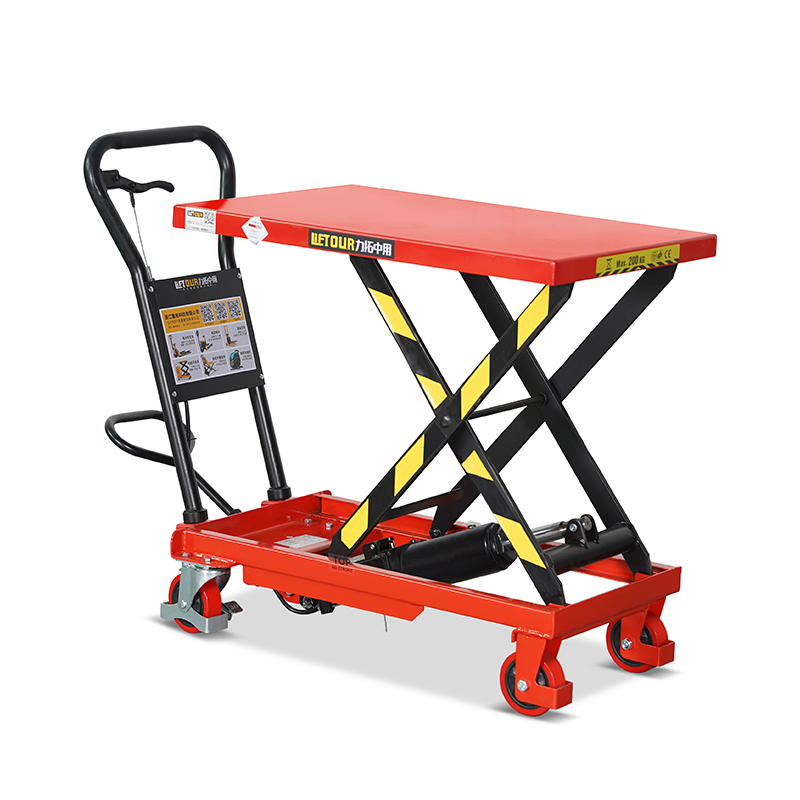
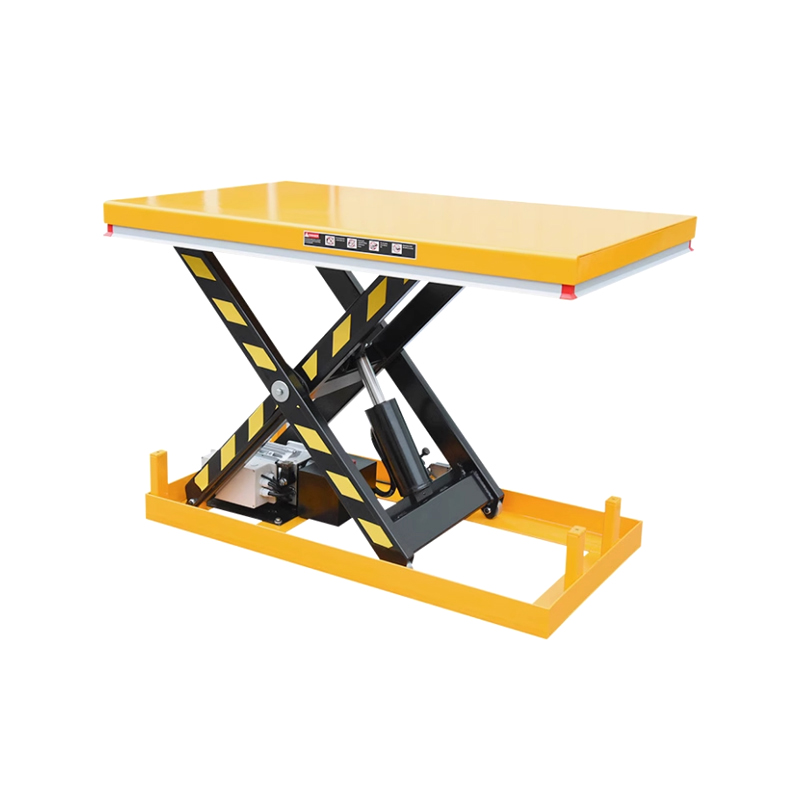
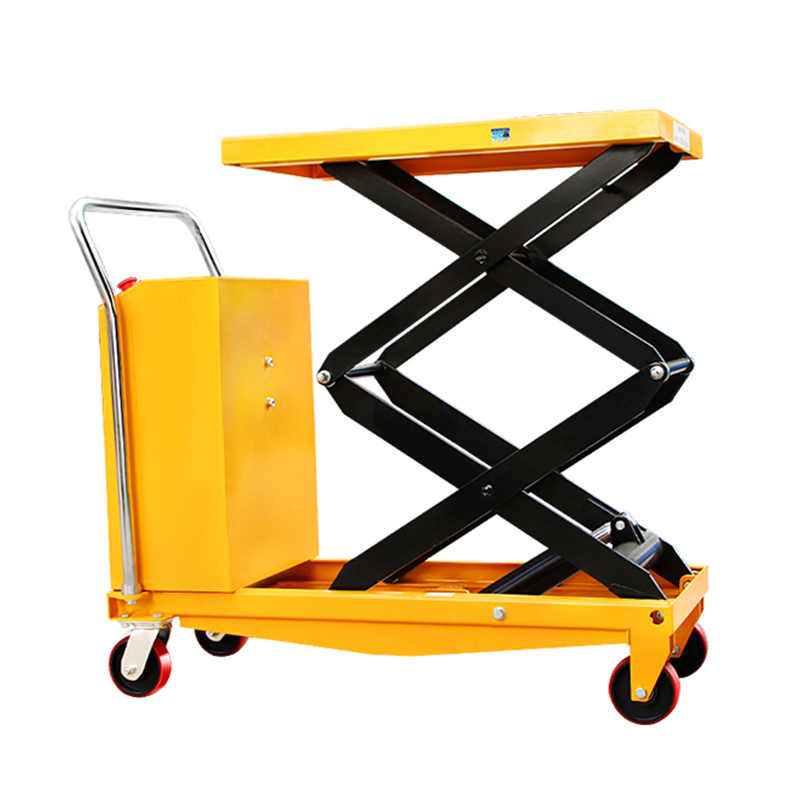
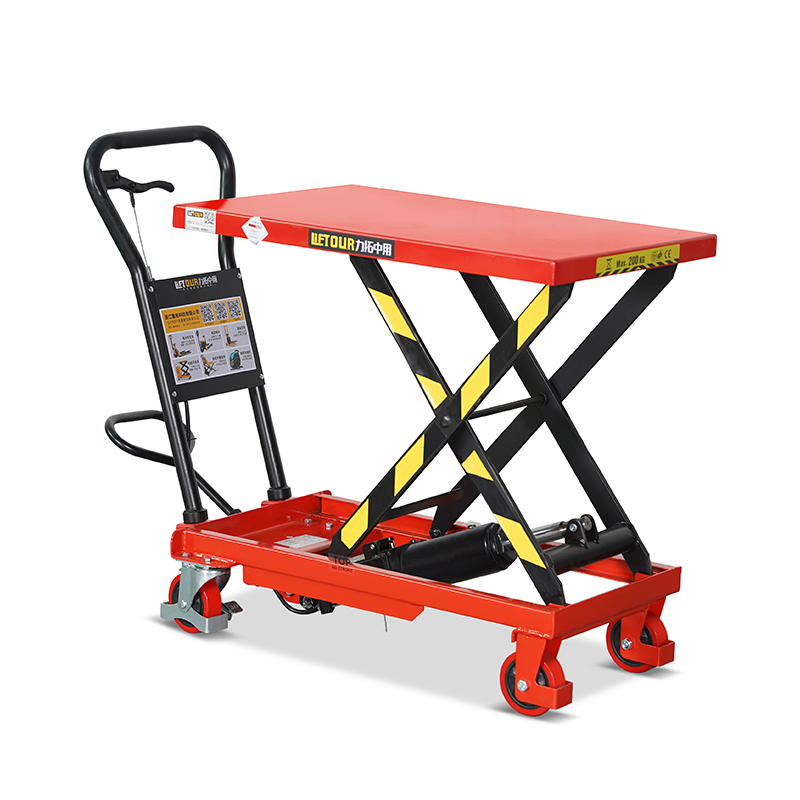
A Lifting Table Cart is essentially a mobile scissor lift platform designed to transport, lift, and position materials. These units are indispensable in environments where loads need to be moved horizontally and then raised to a specific height for processing. Unlike static lift tables, these carts combine mobility with vertical lift capability, making them ideal for assembly lines, maintenance workshops, and warehouse picking stations.
- Mobility: Equipped with polyurethane or nylon wheels, often with a steering handle for easy maneuverability in tight spaces.
- Power Options: Available in manual hydraulic, DC battery-powered, or AC-powered configurations to suit different usage intensities.
- Capacity: Ranges from light-duty capacities for small components to heavy-duty variants for industrial dies and molds.
Industrial Utility of the Lifting Platform Vehicle
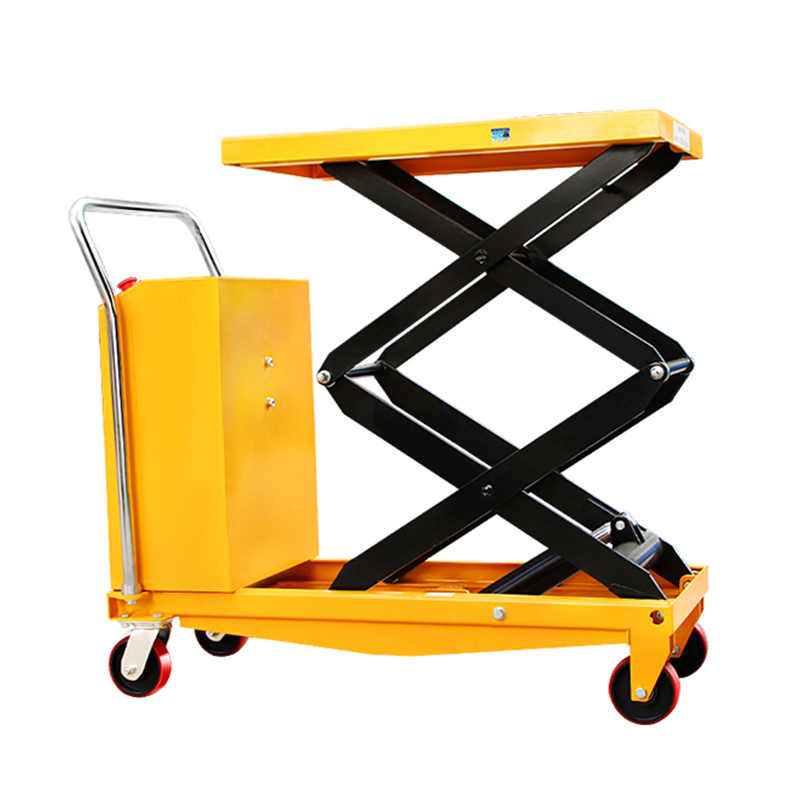
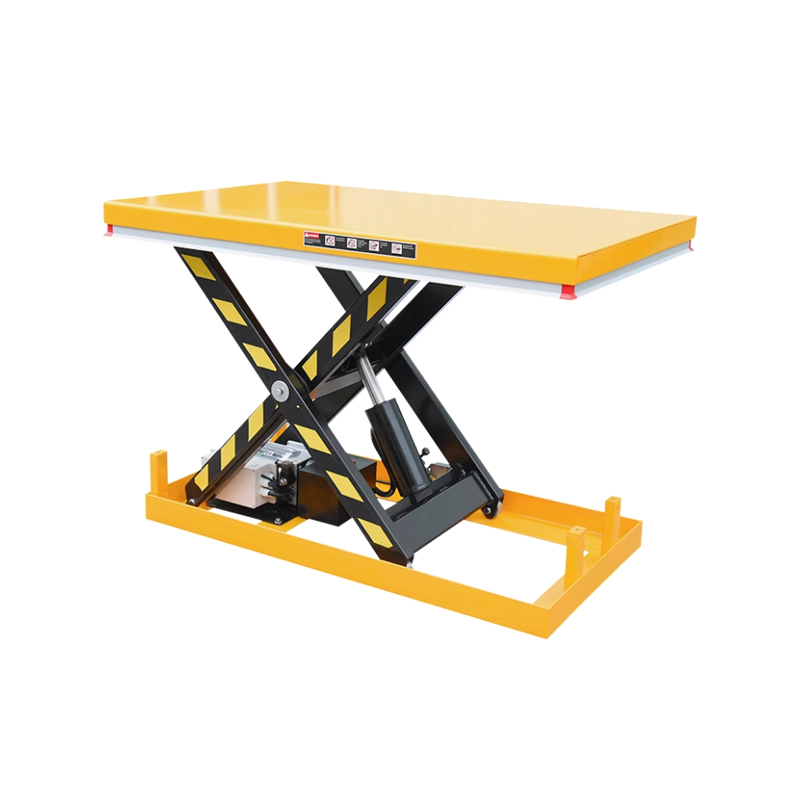
While similar to the cart, a Lifting Platform Vehicle often implies a more robust construction designed for heavier cycles and specific industrial tasks. These vehicles are frequently used in high-bay warehousing, automotive assembly, and logistics centers where stability and lifting height are critical. They act as mobile workstations, allowing operators to elevate not just materials but sometimes personnel (when specifically rated) to required access points.
- High lifting strokes often exceeding standard table heights.
- Reinforced steel structures for demanding industrial durability.
- Integration with conveyor systems for automated loading and unloading.
Selecting the Right Equipment: A Comparative Analysis
Choosing between different lifting solutions requires a thorough understanding of operational requirements. Factors such as load capacity, lift height, frequency of use, and the nature of the terrain play pivotal roles in the decision-making process. Below is a comparison to help identify the distinct features and optimal use cases for these two core solutions.
| Feature | Lifting Table Cart | Lifting Platform Vehicle |
| Primary Function | Transport and precise positioning of goods at ergonomic heights. | Heavy-duty lifting and vertical transfer in fixed or semi-fixed paths. |
| Mobility | High; designed for frequent movement between workstations. | Medium to High; often larger, designed for stable lifting operations. |
| Lifting Mechanism | Typically foot-operated hydraulic or electric actuator. | Heavy-duty hydraulic power unit for faster cycle times. |
| Ideal Environment | Assembly lines, light warehousing, maintenance depots. | |
| Load Handling | Optimized for crates, boxes, and tools. | Capable of handling pallets, heavy machinery parts, and bulk containers. |
Key Technical Considerations for Procurement
When investing in material handling equipment, total cost of ownership and safety features should be prioritized over the initial purchase price. A high-quality Lifting Table Cart should feature a reliable safety velocity fuse to prevent sudden descent in case of hydraulic failure. Similarly, a robust Lifting Platform Vehicle should include limit switches and emergency stop buttons to ensure operator safety during high-stakes operations.
- Structural Integrity: Look for units manufactured with high-strength steel and reinforced scissor arms to prevent deflection under load.
- Power Efficiency: Modern units often integrate intelligent control systems that optimize battery life and energy consumption.
- Maintenance Accessibility: Ensure that the hydraulic system and moving parts are easily accessible for greasing and inspection to prolong equipment lifespan.
FAQ
What is the difference between a lifting table cart and a standard forklift?
While both handle materials, a Lifting Table Cart is primarily designed for ergonomic positioning and short-distance transport at ground level, making it ideal for "man-up" operations where items are lifted to a worker's comfortable height. A forklift is designed for stacking pallets at high vertical heights and transporting loads over longer distances. The lifting cart offers better maneuverability in tight spaces and is generally safer for close-quarter handling tasks.
How do I maintain a lifting platform vehicle to ensure longevity?
Proper maintenance of a Lifting Platform Vehicle involves regular checks of the hydraulic oil level and quality to ensure smooth lifting action. Operators should inspect the rollers and pivot points for wear and lubrication needs monthly. Additionally, checking the electrical connections and battery health (for electric models) is crucial. Adhering to a preventative maintenance schedule significantly reduces downtime and repair costs.
Can a lifting table cart be used on uneven surfaces?
Generally, a Lifting Table Cart performs best on flat, smooth concrete surfaces to ensure stability during lifting. However, some heavy-duty models come equipped with leveling jacks or adjustable legs to accommodate minor surface irregularities. It is critical to never operate the lift function on a steep incline, as this can compromise the center of gravity and lead to tipping.
What safety features should I look for in a lifting platform vehicle?
Safety is paramount when operating a Lifting Platform Vehicle. Essential features include an emergency lowering valve that allows the platform to be lowered manually in case of power failure, safety bars or chains at the entry point, and overload protection valves that prevent the lift from operating if the weight exceeds the rated capacity. Advanced models may also include proximity sensors and audible alarms for operation in busy environments.

Need a Custom Solution? Reach out to us-we're here to help.
Contact Us
Category
Contact US
-
 +86-18967188155
-
 [email protected]
-
 Building B, No. 776, Jianshe Road, Economic and Technological Development Zone, Xiaoshan District, Hangzhou City, Zhejiang Province. China.
Mobile


Hangzhou Viilift Industrial Equipment Co., Ltd.All rights reserved.
Wholesale Lifting Table Cart Supplier
