
 English
 Deutsch
 Español
 Français
 Беларуская

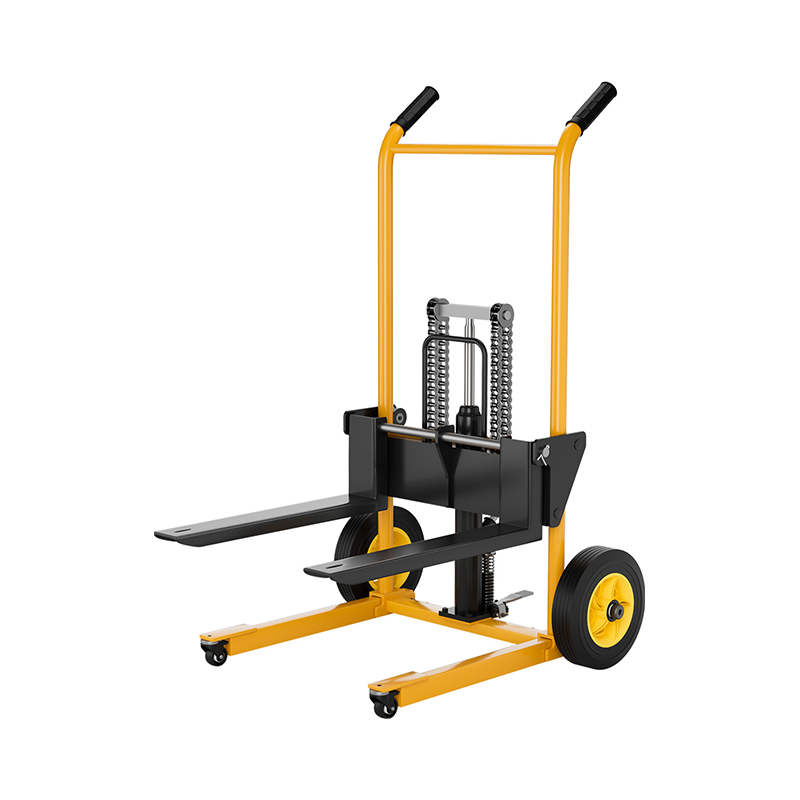
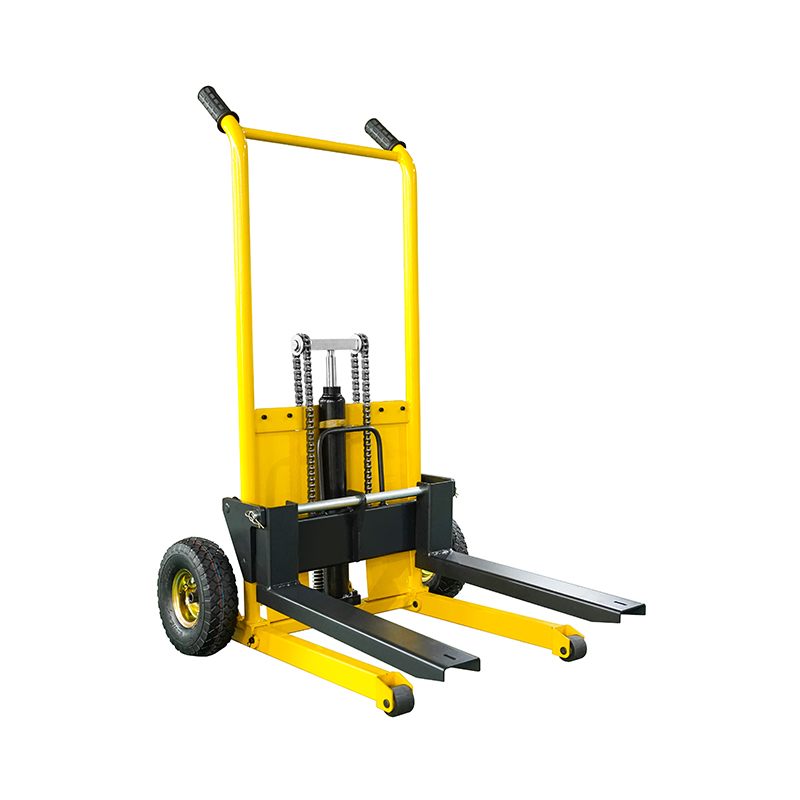
The high lift scissor truck is the most versatile and reliable solution for vertical material handling in confined spaces. By combining the horizontal mobility of a pallet truck with the significant vertical elevation of a scissor lift mechanism, it effectively eliminates the physical strain of manual lifting and bridges the gap between floor-level transport and elevated storage or workstation positioning. For any operation requiring frequent elevation of heavy pallets to ergonomic working heights or intermediate racking levels, investing in this equipment directly translates to enhanced productivity and drastically reduced workplace injuries.
Understanding the Mechanics and Operational Intent
To fully appreciate the utility of a high lift scissor truck, one must understand its fundamental mechanics. Unlike a standard pallet truck that merely raises a load enough to clear the floor for transport, this machine integrates a robust scissor lifting mechanism positioned between the truck forks and the chassis. When hydraulic pressure is applied—either through a manual foot pump or an electric motor—the scissor arms extend, pushing the forks upward while maintaining a remarkably stable, level platform.
The primary intent behind this design is to provide safe, vertical elevation in environments where traditional forklifts are impractical. The scissor mechanism ensures that the load remains balanced across the entire lifting cycle, which is critical when handling unstable or bulky materials. Furthermore, the design inherently maintains a low center of gravity during transport, only raising the load when the truck is stationary and securely positioned, thereby maximizing operational safety.
Primary Industrial Applications
The adaptability of high lift scissor trucks allows them to serve critical roles across various sectors. Their ability to elevate loads makes them indispensable in scenarios where floor-level placement is inefficient or ergonomically hazardous.
Ergonomic Workstation Positioning
In assembly lines and packaging areas, workers frequently suffer from musculoskeletal disorders due to repetitive bending and lifting. A high lift scissor truck allows operators to raise a pallet of components to the exact optimal working height. This ensures that the work is always performed within the "power zone"—the area between the shoulders and knees—thereby reducing physical strain and increasing assembly speed.
Intermediate Racking and Shelf Placement
While not designed to reach the top tiers of a warehouse, these trucks excel at placing goods into low-to-medium height shelving. They provide a cost-effective alternative to full-sized forklifts for stocking operations in retail backrooms, small hardware depots, or specialized storage areas where loads need to be elevated just a few feet off the ground.
Vehicle Loading and Unloading
Loading docks are often congested, and maneuvering large forklifts can be dangerous. High lift scissor trucks can easily navigate tight spaces, allowing operators to position pallets at the exact height of the truck bed. This seamless transition from floor transport to dock height ensures rapid, damage-free loading and unloading processes.
Power and Operation Variations
Selecting the appropriate power configuration is essential for maximizing efficiency. The operational environment and the frequency of use dictate whether a manual or electric model is the superior choice.
| Feature | Manual (Hydraulic Pump) | Electric (Battery Powered) |
|---|---|---|
| Lifting Mechanism | Foot or Hand Pump | Motorized Hydraulic Pump |
| Propulsion | Manual Towing | Walkie or Rider Drive |
| Ideal Use Case | Light loads, infrequent elevation | Heavy loads, continuous operation |
| Operator Fatigue | Higher | Significantly Lower |
Manual trucks rely on the operator's physical effort to pump hydraulic fluid into the cylinders. While cost-effective and maintenance-free, they become impractical when loads are exceptionally heavy or when the truck must be elevated dozens of times per shift. Conversely, electric models utilize deep-cycle batteries to power both the lifting mechanism and, in many cases, the drive wheels. This automation drastically reduces operator fatigue and allows for the rapid movement of heavy materials across larger facilities.
Critical Safety Protocols
Operating a high lift scissor truck involves inherent risks, particularly regarding load stability and gravity. Adhering to strict safety protocols is non-negotiable for preventing accidents and equipment damage.
- Always inspect the hydraulic system for leaks and the scissor arms for structural cracks before commencing work.
- Never exceed the rated load capacity; overloading causes the scissor mechanism to fail and the truck to tip.
- Ensure the load is centered and evenly distributed on the forks before initiating the lift.
- Lower the load completely to the lowest transport height before moving the truck sideways.
- Always engage the parking brake and ensure the truck is on flat, level ground before raising the scissor mechanism.
A key safety distinction between a high lift scissor truck and a standard forklift is the center of gravity. When the scissor arms are fully extended, the truck is vulnerable to tipping if pushed or if the load shifts. Operators must be trained to never walk or stand under the elevated platform, even momentarily. Furthermore, lowering the load prior to transport is the single most critical safety practice for preventing catastrophic tip-over accidents during transit.
Strategic Selection Criteria
Choosing the right high lift scissor truck requires a careful assessment of operational demands. A mismatched truck leads to inefficiency and potential safety hazards, so several factors must be evaluated before procurement.
Capacity and Elevation Requirements
The foremost consideration is the maximum weight the truck must handle combined with the height it must reach. It is vital to select a truck whose capacity rating covers the heaviest anticipated load at the highest required elevation. Keep in mind that load capacity decreases as the lifting height increases due to the physics of leverage, so a safety margin is essential.
Operational Environment and Dimensions
The physical layout of the facility dictates the necessary dimensions of the truck. Measure the narrowest aisles the truck must navigate and ensure the truck's overall width and turning radius can accommodate those spaces. Additionally, consider the floor surface; rough or uneven floors require trucks with robust, durable wheels, while clean environments like pharmaceutical or food processing facilities may necessitate stainless steel components and non-marking tires.
Ergonomics and Usability Features
Since operator fatigue directly impacts productivity and safety, evaluate the ergonomic features of the tiller handle, the ease of the lifting controls, and the visibility from the operator's position. Electric models with responsive steering and intuitive controls significantly reduce the learning curve and physical toll on the workforce.
Comparative Advantage Over Alternative Equipment
Facilities often debate whether to utilize a high lift scissor truck, a standard forklift, or a stationary lift table. Understanding the distinct advantages of the scissor truck clarifies its unique position in the material handling ecosystem.
- Superior Maneuverability: Unlike bulky counterbalance forklifts, high lift scissor trucks are compact and can operate efficiently in congested aisles and tight corners where forklifts cannot safely enter.
- Dual Functionality: Stationary lift tables can elevate loads ergonomically, but they lack mobility. The scissor truck eliminates the need for a separate pallet truck and lift table by combining horizontal transport and vertical lifting into one seamless workflow.
- Lower Operational Overhead: The maintenance, training, and certification requirements for high lift scissor trucks are significantly less stringent and less expensive than those associated with heavy-duty forklifts.
By bridging the functional gap between simple pallet jacks and complex forklifts, the high lift scissor truck carves out a highly specialized niche. It delivers the mobility needed for continuous workflow alongside the elevation required for safe, ergonomic order picking and pallet positioning, establishing it as an indispensable asset for optimized warehouse logistics.