
 English
 Deutsch
 Español
 Français
 Беларуская

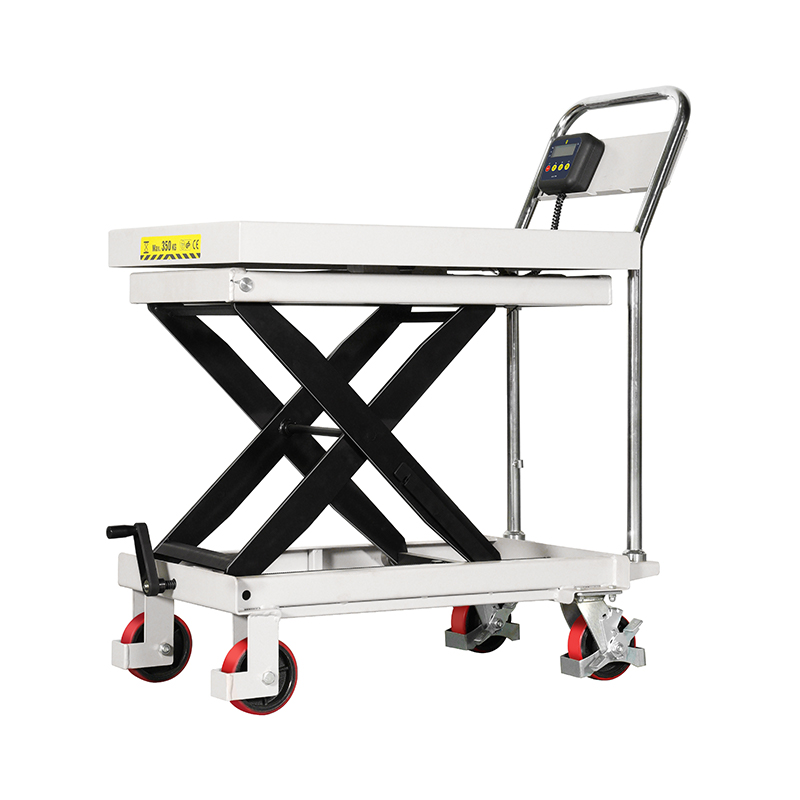
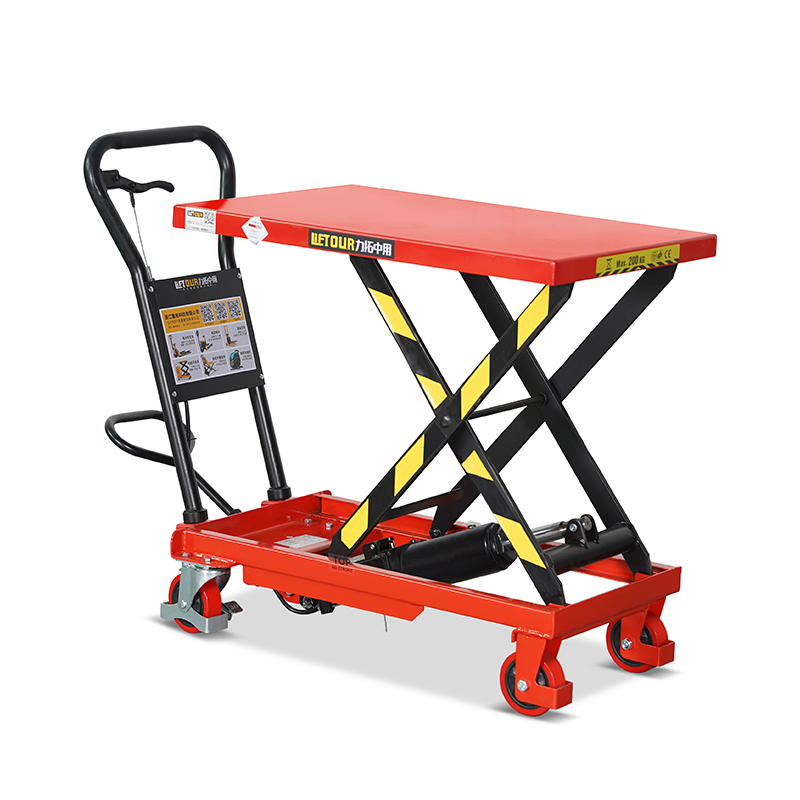
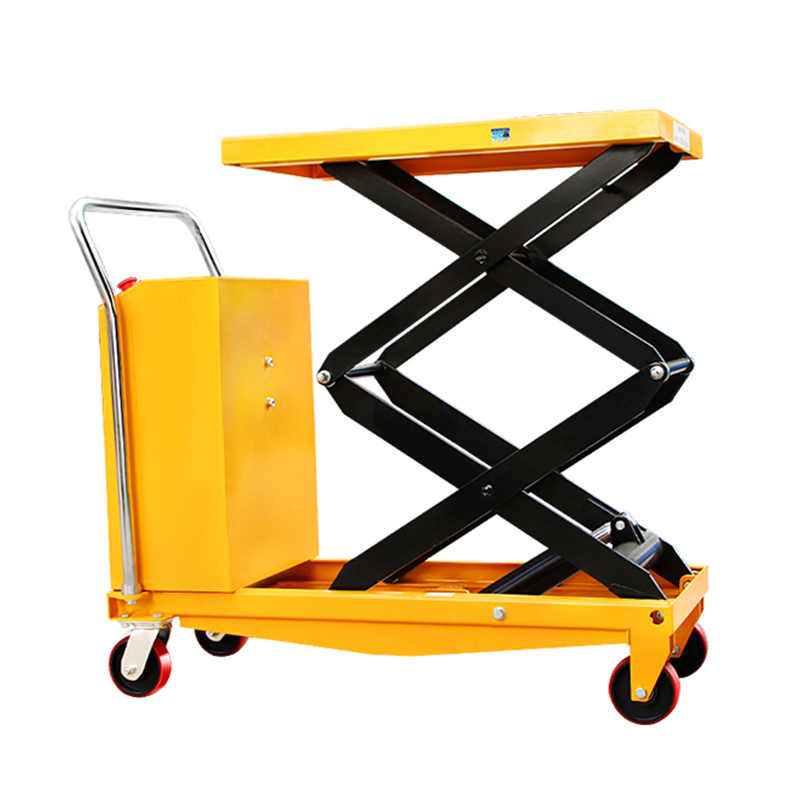
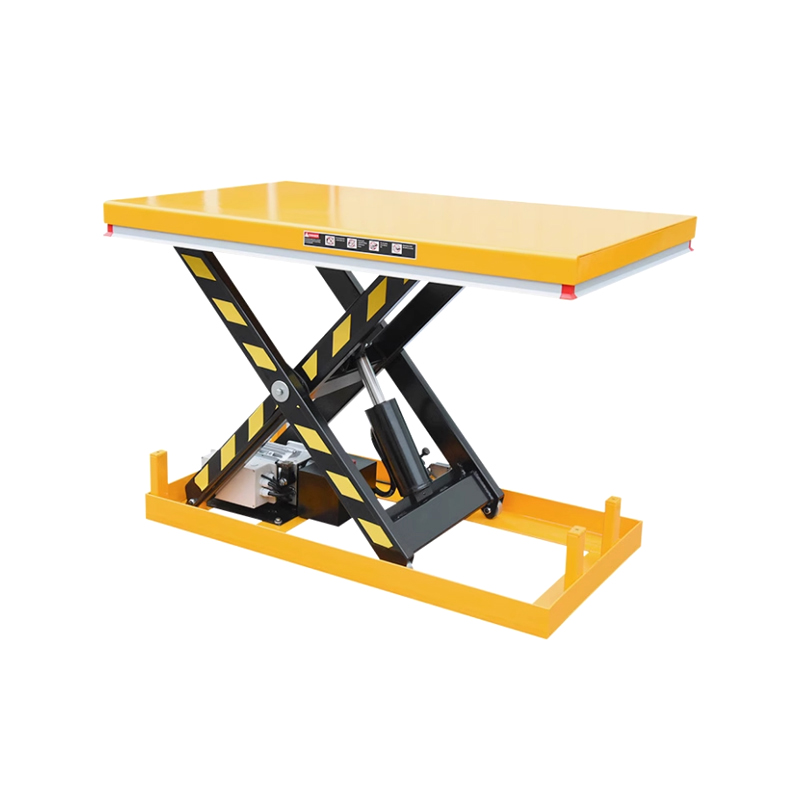
A lifting table cart is fundamentally a mobile elevation platform designed to eliminate manual heavy lifting and transport items effortlessly across various heights and distances. The direct conclusion is that integrating a lifting table cart into daily operations drastically reduces musculoskeletal injuries, enhances productivity, and streamlines material handling. By bridging the gap between storage, transport, and ergonomic work heights, this equipment transforms inefficient, hazardous manual labor into a safe, seamless workflow, making it an indispensable asset for any physical work environment.
Core Mechanisms and How They Function
Understanding the operational mechanics of a lifting table cart is crucial for selecting the right tool. While external appearances may vary, the core principle remains the same: converting a low-profile mobile base into an adjustable-height workstation using controlled mechanical or hydraulic force.
Hydraulic Systems
Hydraulic lifting table carts utilize fluid pressure to raise and lower the platform. When the pump is activated—either by a manual foot pedal or an electric motor—hydraulic fluid is forced into a cylinder, extending the piston and elevating the scissor legs. These systems are renowned for their exceptional lifting capacity and smooth operation. They excel in environments where heavy loads are the norm, as the incompressible nature of the hydraulic fluid ensures stable and secure elevation even under maximum weight.
Pneumatic Systems
Pneumatic carts rely on compressed air to inflate heavy-duty air bags that lift the platform. Their primary advantage lies in their simplicity and cleanliness. Because they use air rather than hydraulic fluid, there is zero risk of messy leaks or environmental contamination. This makes them particularly suitable for clean rooms, food processing facilities, and chemical handling areas. Furthermore, the air bag mechanism provides a natural shock-absorbing effect, protecting delicate cargo from vibrations during transport.
Mechanical Systems
Mechanical lifting carts use physical levers, gears, or heavy-duty springs to achieve elevation. A manually operated crank or a foot-driven lever physically moves the scissor structure. While they generally support lower weight capacities compared to hydraulic models, they are virtually maintenance-free and completely silent. They are ideal for lighter applications where electricity or compressed air is unavailable.
Ergonomic and Safety Benefits
The most compelling reason to adopt a lifting table cart is the dramatic improvement in workplace ergonomics and safety. Traditional material handling forces workers to bend, twist, and lift, which takes a severe toll on the human body over time.
Elimination of Repetitive Strain
Lower back injuries are among the most common and costly workplace ailments. By allowing the cart to do the lifting, employees can load and unload items at their optimal ergonomic height. Adjusting the work surface to the worker, rather than forcing the worker to adjust to the load, prevents chronic musculoskeletal disorders. This is especially critical in repetitive tasks where even minor strains accumulate into severe long-term injuries.
Enhanced Load Stability
Carrying heavy or awkwardly shaped items manually poses a significant risk of dropping the load, which can result in crushed feet or damaged goods. Lifting table carts provide a stable, secure platform. Many models include safety features such as lockable casters, emergency lowering valves, and velocity fuses that freeze the platform instantly if a sudden drop is detected. This ensures that the load remains completely secure during both transport and elevation.
Primary Industrial and Commercial Applications
The versatility of the lifting table cart allows it to serve a vast array of industries. Any environment that involves moving and elevating heavy objects can benefit from this equipment.
| Industry | Primary Application | Key Benefit |
|---|---|---|
| Warehousing & Logistics | Order picking and pallet loading | Reduces bending and reaching time |
| Manufacturing & Assembly | Moving parts between workstations | Adapts to varying workstation heights |
| Retail & Distribution | Stocking shelves and heavy displays | Safely elevates goods to shelf level |
| Healthcare & Laboratories | Transporting medical equipment | Smooth, vibration-free movement |
In warehousing, workers frequently suffer from fatigue caused by constant bending to pick items from low bins. A mobile lifting cart can be raised to the exact height of the order picker, keeping the inventory at waist level. In manufacturing, heavy components like engine parts or metal fabrication materials can be rolled directly to the assembly line and raised to the operator's optimal working height, preventing awkward reaching and speeding up the assembly process. In retail environments, stocking high shelves becomes a one-person job rather than a hazardous two-person lifting chore.
Key Factors to Consider When Choosing a Cart
Selecting the right lifting table cart requires a careful assessment of your specific operational needs. A mismatched cart can become a bottleneck rather than a solution. Focus on these critical factors during the evaluation process:
- Load Capacity: Always choose a cart with a maximum weight capacity that exceeds your heaviest typical load. This provides a safety buffer and prevents the motor or hydraulic system from burning out prematurely.
- Platform Dimensions: The platform must comfortably accommodate your largest cargo without overhang, which creates a tipping hazard.
- Lowered and Raised Height Range: Ensure the lowest setting fits under your storage shelves or conveyors, and the highest setting reaches your tallest workstation or delivery vehicle beds.
- Power Source: Decide between manual, electric, or pneumatic based on the availability of power outlets or air compressors in your facility, and the frequency of lifting required.
- Wheel and Caster Configuration: Consider the floor conditions. Hard rubber casters work well on smooth concrete, while pneumatic tires are necessary for rough, uneven, or outdoor surfaces.
Best Practices for Safe Operation
While a lifting table cart significantly enhances workplace safety, improper operation can still lead to accidents. Establishing and enforcing strict operational protocols is essential to protect workers and equipment.
Pre-Operation Inspection
Before each shift, operators should conduct a quick visual and functional inspection. Check the casters for debris or damage, ensure the platform is clear of obstructions, and test the lifting and lowering functions without a load. For hydraulic models, verifying fluid levels and checking for leaks is critical to prevent sudden drops during operation.
Load Distribution and Movement
Always place the heaviest items at the bottom center of the platform to maintain a low center of gravity. An unevenly distributed or top-heavy load can cause the cart to tip over when moved or elevated. Never move the cart while the platform is in an elevated position unless the cart is specifically designed for travel at height. Always lower the platform completely before transporting the load to its destination. Furthermore, never exceed the manufacturer's stated weight limit, as overloading will stress the scissor mechanism and lead to catastrophic structural failure.
Maintenance and Longevity Strategies
A lifting table cart is a significant investment, and proper maintenance is the key to maximizing its return. Routine care prevents unexpected downtime and extends the service life of the equipment.
- Lubricate Moving Parts: The scissor mechanism and pivot points experience high friction during every lift. Applying high-quality grease to these joints regularly ensures smooth elevation and prevents premature wear.
- Inspect Wheels and Casters: Wheels bear the brunt of the physical labor. Check them for flat spots, cracks, or tangled debris. Tighten the axle bolts and replace wheels that no longer roll smoothly to prevent steering strain.
- Clean the Platform and Frame: Dust, dirt, and chemical spills can corrode the metal frame and contaminate the hydraulic system. Wipe down the cart after use, especially in harsh industrial environments.
- Test Safety Features: Regularly test the emergency stop button, velocity fuses, and pressure relief valves to ensure they engage instantly when needed.
By adhering to a strict maintenance schedule, facilities can ensure that their lifting table carts remain reliable, safe, and fully operational for years, ultimately protecting both the workforce and the bottom line.