
 English
 Deutsch
 Español
 Français
 Беларуская

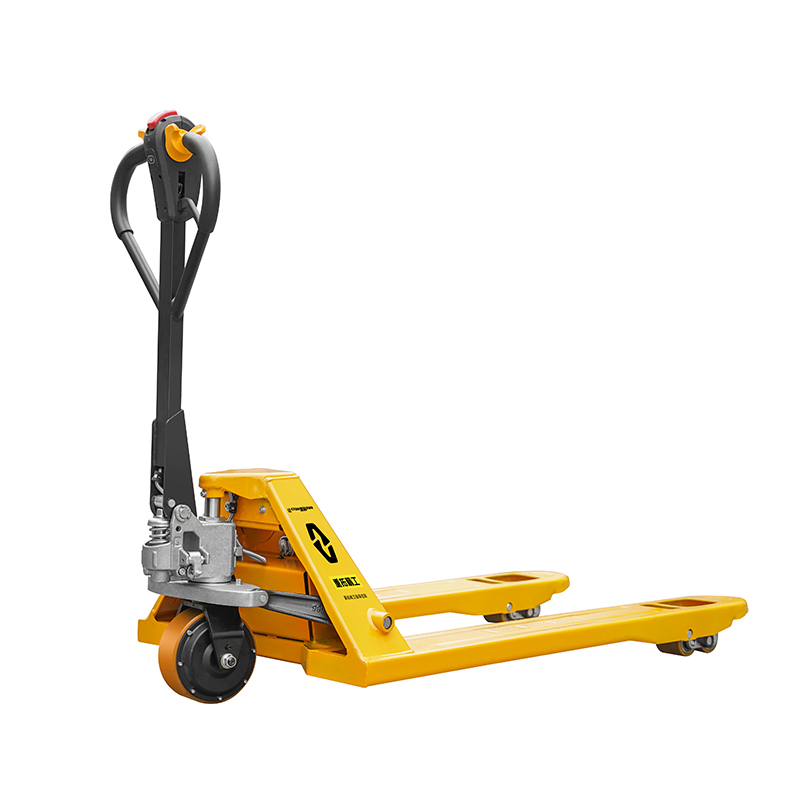
The electric pallet stackers are a superior investment for modern material handling, offering a significant return on investment through enhanced productivity and reduced operational fatigue. Unlike manual alternatives, which rely entirely on physical exertion, electric models automate the lifting and often the horizontal transportation process. This automation leads to a drastic reduction in workplace injuries and a substantial increase in throughput speed. For any operation handling more than a few pallets per day or moving loads over short to medium distances, the electric pallet stacker is not just a convenience; it is a necessity for maintaining competitive workflow standards.
Furthermore, the operational cost of maintaining these units has decreased over the years, making them accessible to small businesses and large distribution centers alike. By eliminating the physical strain associated with pumping manual jacks, businesses can expect fewer workers' compensation claims and higher employee retention rates. Ultimately, the shift to electric power translates to a safer, faster, and more reliable work environment.
Core Advantages Over Manual Handling
Enhanced Operator Ergonomics and Safety
The primary driver for adopting electric pallet stackers is the reduction of physical strain on operators. Manual handling of heavy loads over an extended period is a leading cause of musculoskeletal disorders, specifically back injuries. Electric stackers utilize powerful electric motors to perform the heavy lifting and lowering functions. This means the operator simply controls the movement via a handle or buttons, rather than using their own energy to hydraulically lift a ton of weight. Statistics indicate that replacing manual equipment with electric alternatives can reduce physical exertion by up to 80 percent during lifting tasks.
Safety features are also significantly advanced in electric models. They are typically equipped with automatic braking systems that engage as soon as the handle is released, preventing uncontrolled movement. Additionally, many models include crawl speed buttons for precise maneuvering in tight spaces, reducing the risk of collision with racking or infrastructure. The stability provided by the heavy battery housing also lowers the center of gravity, making the machine less prone to tipping during turns compared to lighter manual units.
Operational Efficiency and Throughput
Time is money in logistics, and speed is where the electric pallet stacker truly shines. A manual stacker requires the operator to stop, physically pump the handle to lift the load, and then drag the load to its destination. In contrast, an electric stacker can lift a pallet to its full height in a matter of seconds with the simple press of a button. When traveling, electric drive motors allow for consistent speeds of up to 5 to 6 miles per hour without operator fatigue.
- Faster Lifting Cycles: Electric motors lift loads significantly faster than manual hydraulic pumps.
- Extended Operating Hours: Operators do not tire as quickly, maintaining high productivity throughout an entire shift.
- Multi-shift Capability: With spare batteries, operations can run 24 hours a day without downtime.
- Precise Positioning: Variable speed controls allow for gentle placement of fragile goods.
Technical Classifications and Types
Understanding the different variations of electric pallet stackers is crucial for selecting the right equipment for a specific application. The market generally categorizes these machines based on their method of operation and mast configuration.
Semi-Electric vs. Fully Electric Models
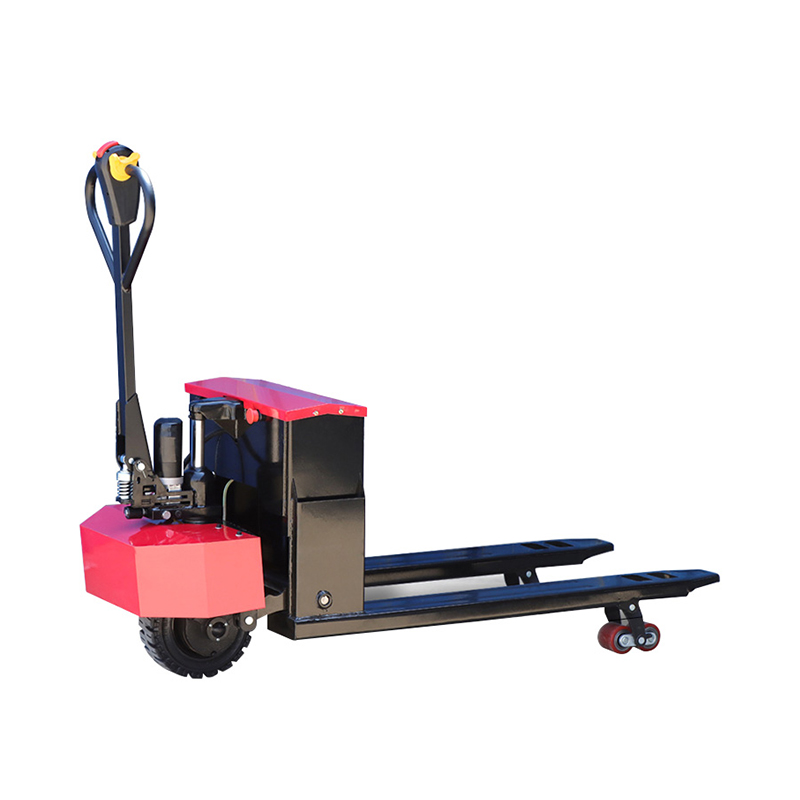
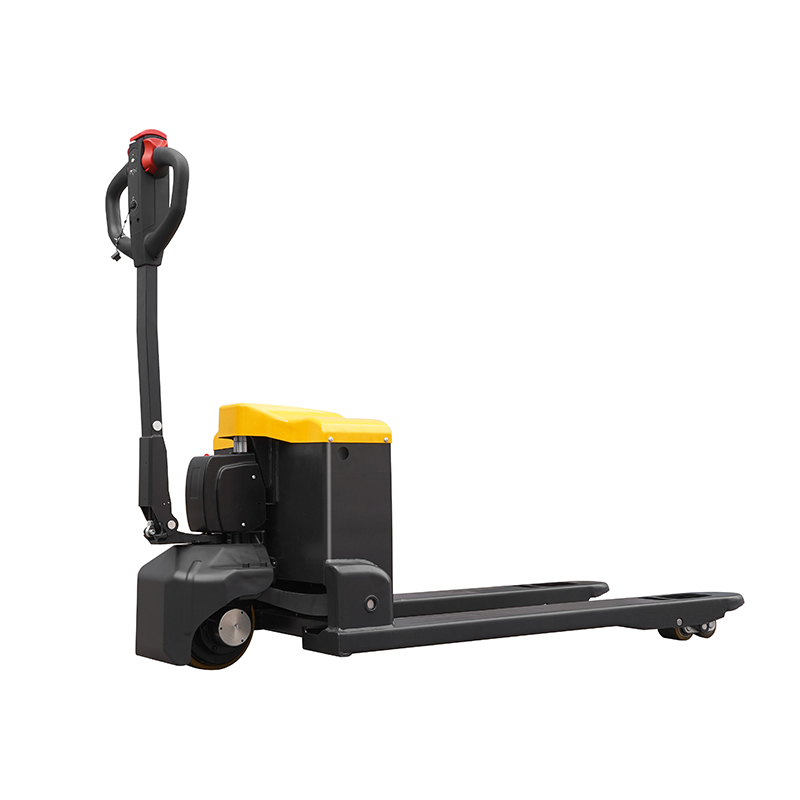
The distinction between semi-electric and fully electric models lies in which functions are powered. A semi-electric stacker typically features an electric motor for lifting the forks, but relies on manual physical effort for pushing and pulling the machine. This hybrid approach is best suited for operations with very short travel distances where the primary need is lifting assistance. On the other hand, fully electric stackers, often called "walkie" stackers, feature powered drive wheels. The operator simply guides the machine using a tiller arm, and the motor propels the unit forward or backward. This is the preferred choice for operations covering longer distances within a warehouse.
Mast Configurations: Duplex and Triplex
The mast is the assembly that does the lifting. For standard warehouse stacking, a simplex mast (single stage) might suffice for low-level lifting. However, most electric stackers utilize duplex (two-stage) or triplex (three-stage) masts. A duplex mast allows for a higher lift height while maintaining a low collapsed height, enabling the machine to fit into standard shipping containers or doorways. Triplex masts offer even greater lift heights for high-racking applications, often necessary in vertical warehouse setups. The choice of mast directly impacts the lifting height and the residual capacity—remember that the higher a load is lifted, the less weight the machine can safely carry.
| Feature | Semi-Electric Stackers | Fully Electric Stackers |
|---|---|---|
| Lifting Mechanism | Electric (Battery Powered) | Electric (Battery Powered) |
| Travel Mechanism | Manual (Muscle Power) | Electric (Motor Powered) |
| Best Use Case | Stationary Lifting / Very Short Distances | Transporting / Medium Distances |
| Operator Fatigue | Moderate (due to pushing) | Low (assisted movement) |
Operational Best Practices and Safety
Pre-Operation Inspection Protocols
Before shifting an electric pallet stacker into gear, a thorough inspection is mandated by safety regulations. Operators should check the battery charge levels to ensure there is enough power for the shift without needing a midday change. The forks must be examined for any cracks, bends, or excessive wear that could compromise load integrity. Tires should be checked for debris or wear, as a flat tire can destabilize the machine when carrying heavy loads. Furthermore, the hydraulic lines must be inspected for leaks; a loss of hydraulic fluid not only causes environmental issues but also results in sudden fork dropping, which is a critical safety hazard.
Load Handling Techniques
Proper load handling is essential to prevent accidents and product damage. The load must always be centered squarely on the forks. An off-center load creates a tipping moment that can overturn the stacker. When lifting, it is vital to ensure that the mast is vertical. Attempting to lift while the mast is tilted forward puts excessive stress on the lift chains and can cause the load to slide off. Operators should also be aware of the "load center" rating of the machine. If a load is longer than the standard pallet size, the center of gravity shifts forward, effectively reducing the maximum lifting capacity.
- Approach the load squarely: Always align the stacker perpendicular to the pallet.
- Position forks correctly: Ensure forks are spaced as wide as possible to support the load.
- Lift slowly: Raise the load just enough to clear the ground to check stability.
- Travel with mast back: Tilt the mast backward (if equipped) to stabilize the load during transit.
- Observe visibility: Always travel with the load trailing if it obstructs the forward view.
Battery Maintenance and Longevity
The battery is the heart of the electric pallet stacker and represents a significant portion of the unit's cost. Proper maintenance is critical to maximizing the lifespan of the battery, which can range from 1,500 to 2,000 charge cycles if treated correctly. Most stackers use deep-cycle lead-acid batteries, although lithium-ion options are becoming increasingly popular due to their maintenance-free nature.
Charging and Watering Guidelines
For traditional lead-acid batteries, the charging schedule must be strictly adhered to. It is a best practice to charge the battery only when it has been discharged to between 20% and 40% of its capacity. Opportunity charging—plugging in the machine during short breaks—is discouraged for lead-acid batteries as it reduces overall battery life. Conversely, completely depleting the battery can cause irreversible damage to the cells.
Watering is another critical maintenance task. As batteries charge, they emit gas and lose water. Operators must check electrolyte levels regularly and top them up with distilled water. Over-watering can cause acid spills during charging, while under-watering exposes the plates to air, leading to sulfation and failure. Lithium-ion batteries, while more expensive upfront, eliminate the need for watering and offer faster charging capabilities, making them an attractive option for multi-shift operations.
Economic Justification and ROI
While the upfront cost of an electric pallet stacker is higher than a manual pallet jack, the total cost of ownership often favors the electric model over time. The calculation of return on investment (ROI) should include labor savings, reduction in product damage, and avoidance of injury-related costs.
Reducing Labor Costs
Because an electric stacker moves loads faster and with less effort, a single operator can handle more pallets per hour compared to using manual equipment. This efficiency means that a warehouse may not need to hire additional staff during peak seasons, or they can redeploy existing staff to value-added tasks rather than material transport. In high-volume scenarios, the labor saved can pay for the equipment in less than two years.
Minimizing Product Damage
Manual stackers can be jerky and difficult to control precisely, leading to collisions with racking or accidental dropping of goods. The smooth controls of electric units allow for precise placement, reducing the likelihood of crushing inventory or damaging warehouse infrastructure. This reduction in "shrinkage" (loss of inventory due to damage) contributes directly to the bottom line.
Final Verdict: The electric pallet stacker is a pivotal tool for modern logistics, balancing performance, safety, and economic efficiency. By automating the strenuous tasks of lifting and moving, businesses can achieve a smoother workflow and a safer environment. Selecting the right type—be it semi-electric for stationary lifts or fully electric for transport—and maintaining the power source diligently will ensure long-term operational success.