
 English
 Deutsch
 Español
 Français
 Беларуская

Content
- 1 Understanding the Core Mechanism
- 2 Operational Advantages Over Traditional Methods
- 3 Comparing Weighing Approaches
- 4 Technical Capabilities and Precision
- 5 Key Components to Inspect Before Purchase
- 6 Application Scenarios in Modern Logistics
- 7 Maintenance and Calibration for Longevity
- 8 Final Assessment of Value
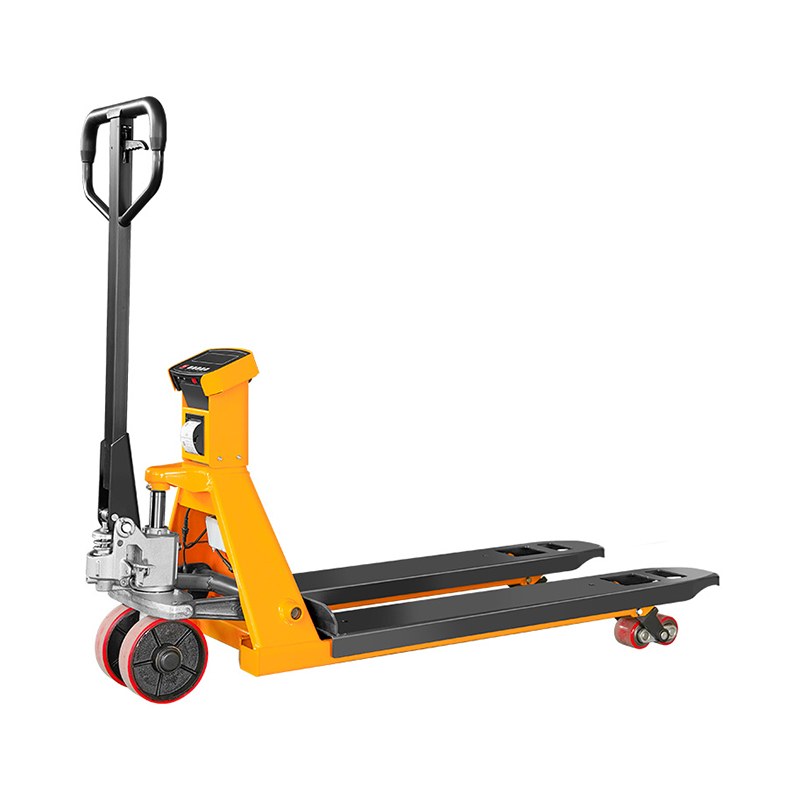
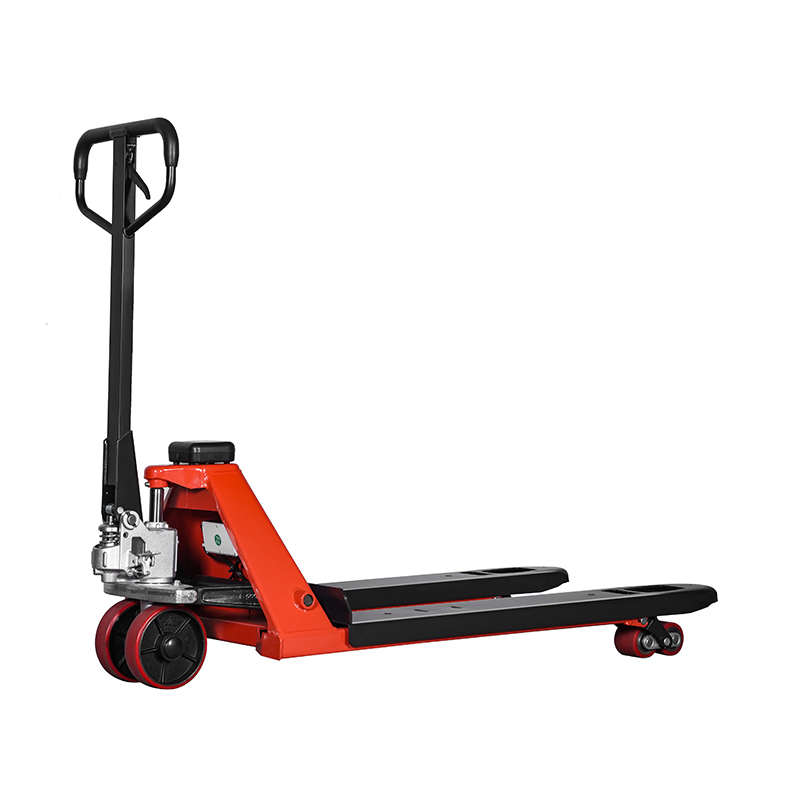
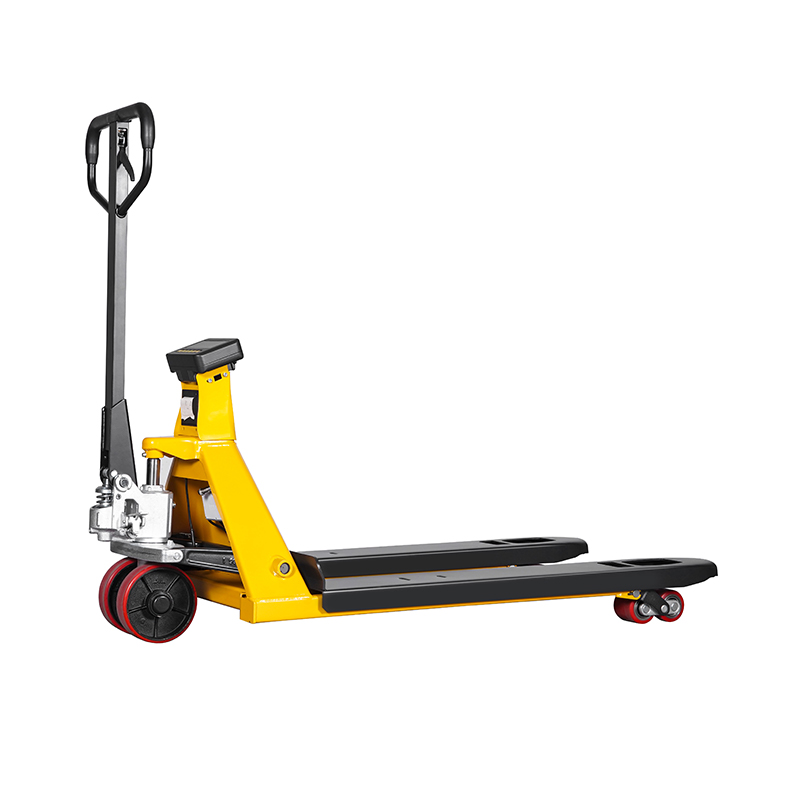
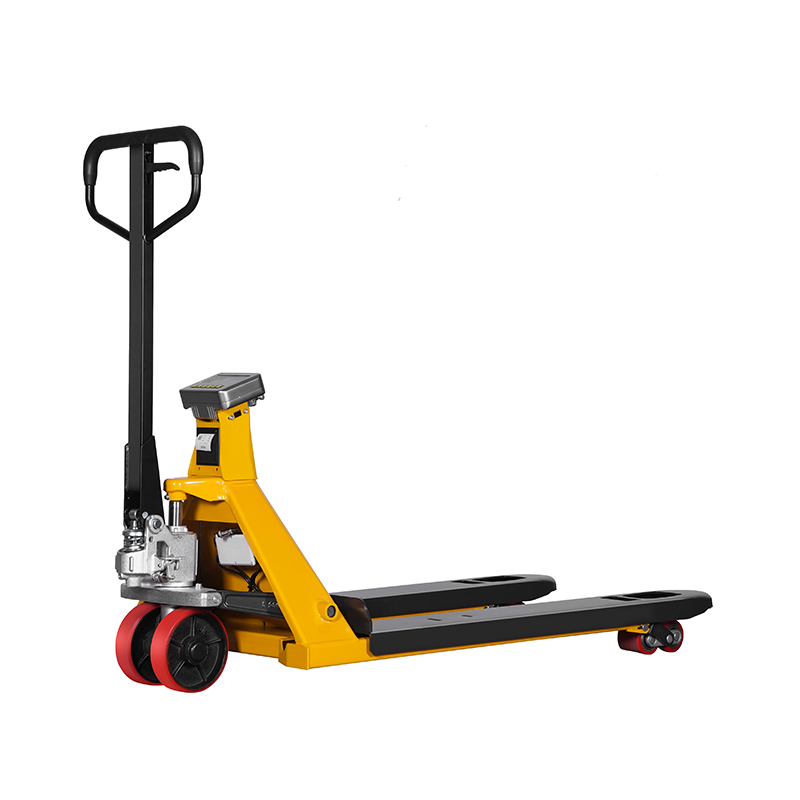
The weighing scale pallet truck is not merely a tool for moving goods; it is a pivotal innovation that solves one of the most persistent bottlenecks in logistics: the separation of transport and measurement. By integrating a high-precision weighing system directly into the hydraulic lifting mechanism of a pallet truck, it eliminates the need for a separate trip to a static floor scale. This consolidation means that goods are weighed precisely where they are picked up or dropped off, effectively cutting process times significantly. For any operation dealing with high-volume inventory, incoming goods inspection, or outgoing shipment verification, this equipment transforms a two-step process into a single, seamless motion.
Understanding the Core Mechanism
To appreciate the utility of this machine, one must understand how the technology is embedded within a standard industrial tool. Unlike a standard pallet truck which consists solely of a hydraulic pump and steel forks, the weighing scale variant incorporates a load cell system within the lifting assembly. These load cells are essentially sensors that convert the force of the load into an electrical signal. When the hydraulic forks lift a pallet, the weight is transferred through these sensors. The data is then processed by an integrated electronic module and displayed on a digital display panel mounted on the handle.
The engineering challenge lies in maintaining accuracy despite the movement and vibration inherent in a mobile vehicle. High-quality models utilize specific strain gauge technologies to filter out vibrations caused by the pump mechanism or uneven floors. This ensures that the reading on the display reflects the actual mass of the load, not the force exerted by the operator pumping the handle. The power for these electronics is typically supplied by a rechargeable battery, allowing for continuous operation over a full shift.
Operational Advantages Over Traditional Methods
The adoption of mobile weighing technology brings tangible benefits that go beyond simple convenience. In a traditional setup, a warehouse worker must pick up a pallet, transport it to a designated weighing station, place it on the scale, record the weight, and then move it to its final storage location. This circuitous route consumes valuable floor space and operator time.
- Elimination of Transit Time: Studies suggest that eliminating the detour to a static floor scale can reduce material handling time by a considerable margin. The operator weighs the load immediately upon lifting, turning a 5-minute task into a 30-second task.
- Space Optimization: Without the need for a dedicated weighing zone, warehouse managers can reclaim floor space for storage or processing. This is particularly beneficial in compact facilities where every square meter counts.
- Immediate Data Capture: The ability to know the weight instantly allows for real-time inventory updates and immediate verification of shipping weights, preventing costly billing errors or carrier disputes.
Comparing Weighing Approaches
The choice between a standard manual process and an integrated weighing solution often comes down to workflow fluidity. The following table highlights the stark differences in daily operations.
| Operational Aspect | Static Floor Scale Method | Weighing Scale Pallet Truck |
|---|---|---|
| Process Steps | Multiple (Lift, Move, Weigh, Move) | Single Step (Lift and Weigh) |
| Floor Space Usage | Requires dedicated aisle space | Zero additional space required |
| Data Accessibility | Delayed until item reaches scale | Instant upon lifting |
| Risk of Damage | Higher (increased traffic) | Reduced (less movement) |
Technical Capabilities and Precision
A common misconception is that mobile weighing equipment lacks the precision of a stationary scale. While it is true that stability affects precision, modern weighing scale pallet trucks are engineered to minimize these variables. Most industrial models offer a division size that is perfectly adequate for logistics, shipping, and inventory control.
The electronics are protected against moisture and dust, often adhering to high ingress protection standards. This ensures that the scale functions reliably even in dusty warehouses or cooler environments. Furthermore, the "zero" function allows operators to reset the scale to account for the weight of the pallet itself, ensuring the reading strictly reflects the product weight. Advanced models even feature accumulators that can sum multiple pallet weights, a critical feature for batch shipping.
Key Components to Inspect Before Purchase
Not all weighing pallet trucks are created equal. When selecting a unit, the focus should be on durability and the usability of the electronics.
- Display Quality: The indicator should be large and backlit. In a warehouse with varying lighting conditions, a clear digital readout is essential for avoiding reading errors. Look for indicators that show weight in multiple units.
- Battery Autonomy: The unit should support a full work shift on a single charge. A low battery indicator is a standard but necessary feature to prevent mid-task power loss.
- Hydraulic System Integration: The lift pump should operate smoothly without placing excessive stress on the load cells. A robust hydraulic system ensures that the weight is distributed evenly across the sensors.
- Printer and Connectivity Options: For proof of delivery or internal tracking, some units come with an onboard ticket printer. This provides a physical record of the weight at the moment of transfer.
Application Scenarios in Modern Logistics
The versatility of the weighing scale pallet truck makes it suitable for a wide array of sectors. It is particularly valuable in industries where weight determines cost or compliance.
Incoming Goods Inspection
Verify supplier shipments immediately upon arrival at the dock. Discrepancies can be identified before the goods enter the warehouse inventory, saving time on return processing.
Chemical and Pharmaceutical Handling
Ensure precise batches of ingredients are moved. In these sectors, the weight of a drum or sack is critical for recipe adherence, and doing it while moving the goods increases safety.
Freight and Dispatch
Freight costs are often weight-based. By weighing pallets as they are loaded onto trucks, logistics managers can maximize trailer capacity without exceeding legal weight limits. This prevents fines and optimizes transport costs.
Maintenance and Calibration for Longevity
Like all precision instruments, the weighing scale pallet truck requires periodic maintenance to retain its accuracy. The most critical aspect is calibration. Over time, the load cells can drift slightly due to mechanical stress or temperature changes. Regular calibration, performed by a certified technician, realigns the electronic output with known test weights.
Daily maintenance is straightforward. Operators should ensure the forks are clean and free of debris that could affect the weight distribution. The wheels and rollers should be inspected periodically to ensure smooth movement, as a sticky wheel can place unnecessary torsion on the forks. The battery must be charged according to the manufacturer’s guidelines to preserve battery health. Proper care ensures that the device remains a reliable asset rather than becoming a source of error.
Final Assessment of Value
The weighing scale pallet truck is a strategic investment for any facility focused on lean operations. It is a tool that fundamentally respects the time of the workforce and the accuracy of the inventory. By removing the friction between moving and measuring, it allows businesses to operate with greater speed and precision. Whether used for verifying incoming stock or preparing outbound shipments, it stands as an essential component of modern material handling infrastructure.