
 English
 Deutsch
 Español
 Français
 Беларуская

A warehouse worker needs to stack boxes onto a 2-meter shelf, 20 times a shift. Without a powered lift, the go-to solution is a manual stacker: a hydraulically operated, hand-pumped device that lifts pallets and loads to working height. Manual stackers are the most cost-effective, low-maintenance option for light-to-medium duty stacking in warehouses, workshops, and retail back rooms. They require no battery, no charging, and minimal training — just physical effort and proper technique.
What Is a Manual Stacker?
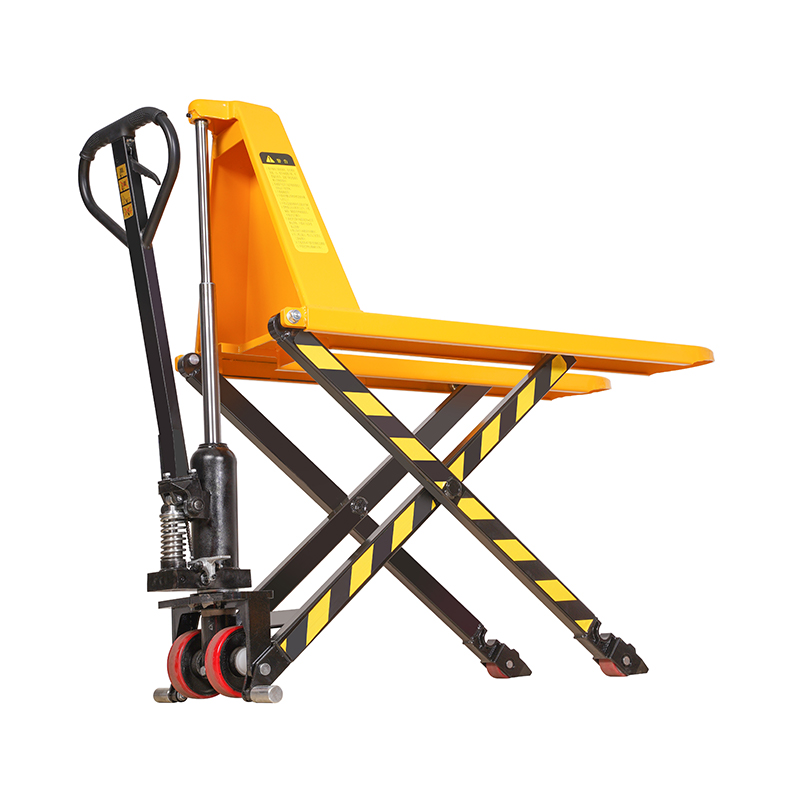
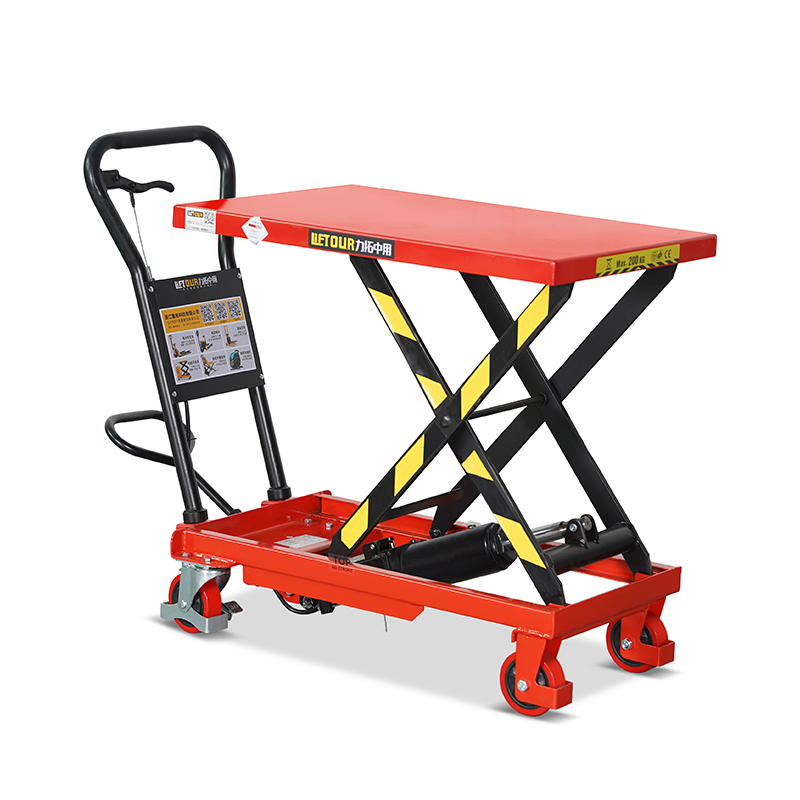
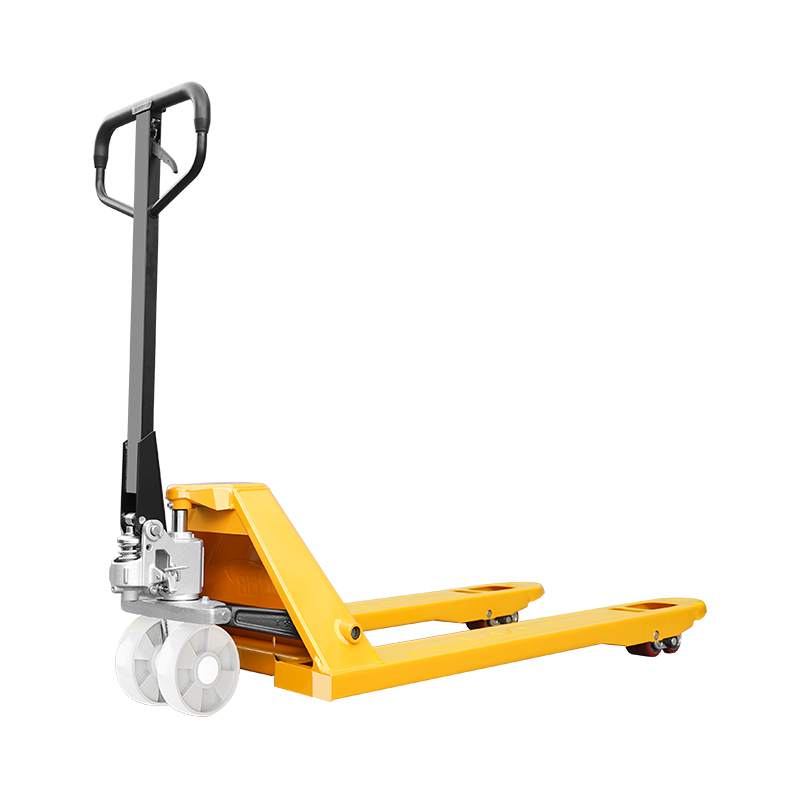
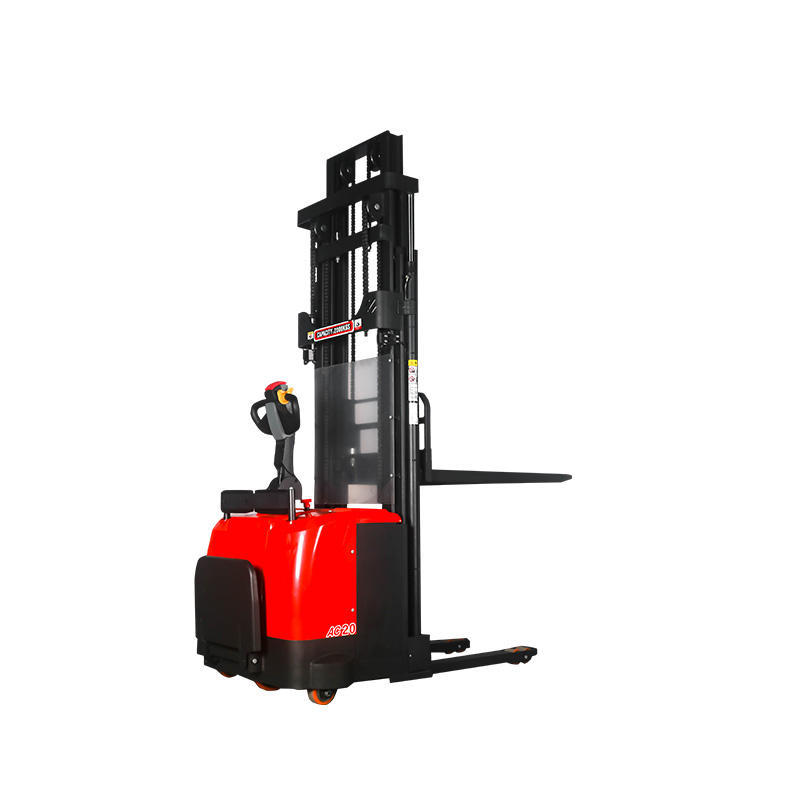
A manual stacker is a pedestrian-operated lifting device that uses a hydraulic pump to raise forks or a platform. The operator pumps a handle to build hydraulic pressure, which lifts the load via a cylinder. Lowering is controlled by a release valve. Manual stackers typically handle loads from 200 kg to 1,500 kg and lift heights from 1.2 m to 3 m. They are designed for short‑distance horizontal movement and vertical stacking in low‑to‑medium throughput environments.
The following table shows typical specifications found on common manual stacker models.
| Category | Load Capacity | Max Lift Height | Fork Length |
|---|---|---|---|
| Mini / Compact | 200 – 400 kg | 1.2 – 1.6 m | 600 – 800 mm |
| Standard | 500 – 1,000 kg | 1.6 – 2.5 m | 800 – 1,150 mm |
| Heavy Duty | 1,000 – 1,500 kg | 1.6 – 3.0 m | 1,000 – 1,200 mm |
Main Types of Manual Stackers
Manual stackers come in several configurations to match different load sizes, lift heights, and operating environments. The two most common categories are heavy‑duty stackers and mini/compact stackers.
Heavy‑Duty Manual Stacker
Designed for loads from 1,000 kg upward. These stackers feature wider forks, reinforced frames, and optional stabilising legs for handling bulky pallets. Suitable for industrial warehouses and manufacturing lines where daily stacking cycles are frequent.
Best for: heavy pallets, frequent use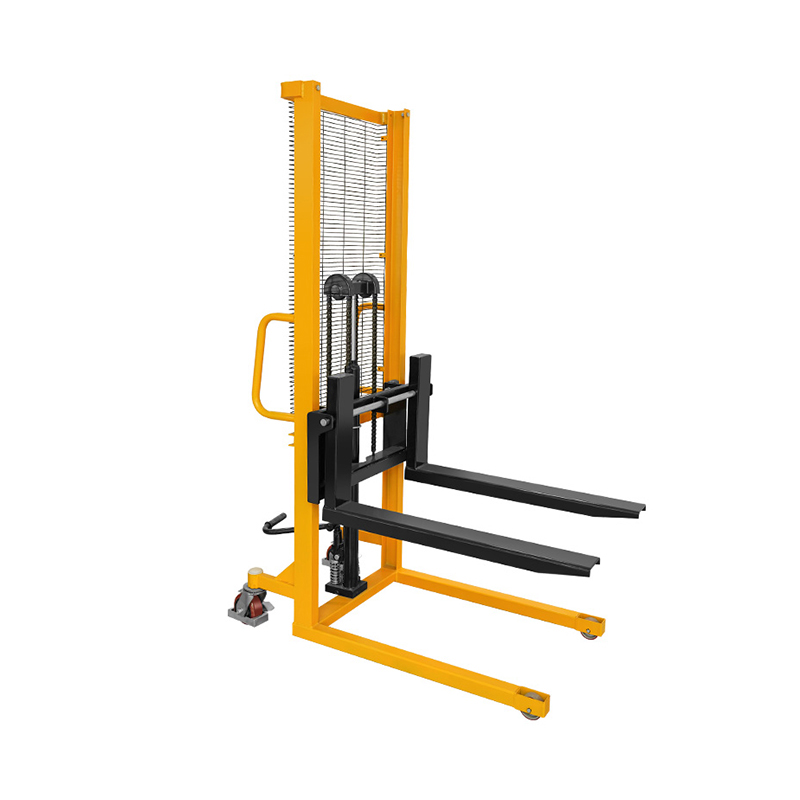 Heavy Duty Manual Stacker for Industrial LoadsThis stacker is built for loads over 1,000 kg, with reinforced forks and an upgraded mast. Its sturdy design and anti-tilt stability make it suitable for frequent heavy-duty stacking in warehouses and production lines.View Product →
Mini / Compact Manual Stacker
Lightweight, narrow‑frame stackers with a capacity of 200–400 kg and lower lift heights (1.2–1.6 m). Ideal for small workshops, retail stockrooms, and production line side‑loading. Their compact size allows easy manoeuvring in tight aisles.
Best for: light loads, confined spaces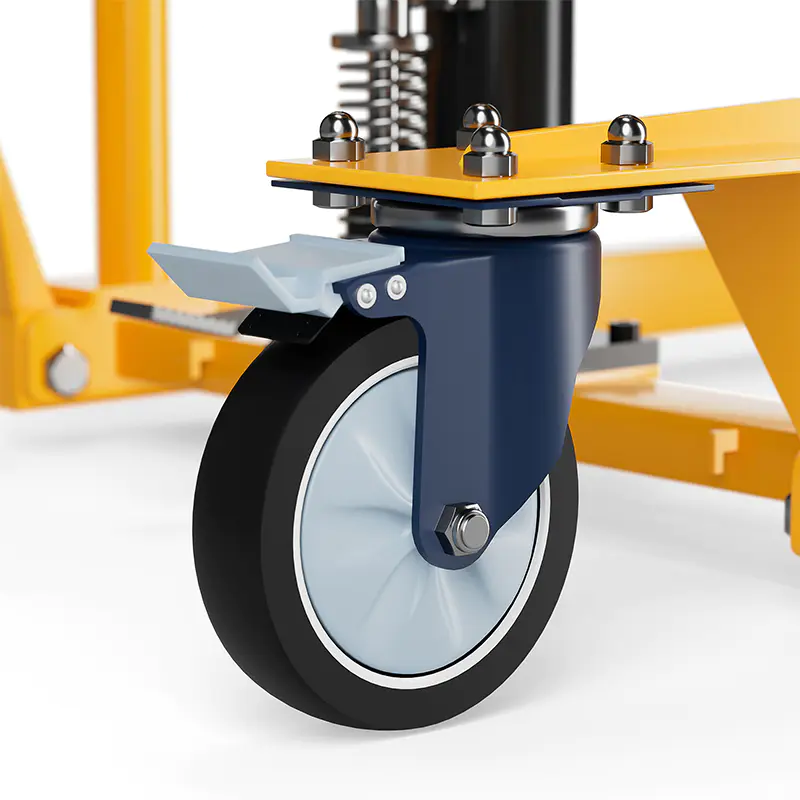 Compact Mini Stacker HS200 for Light GoodsDesigned for light loads of 200–300 kg, this portable stacker features a foldable frame and small turning radius. Ideal for narrow spaces, vehicle loading, and small workshops needing easy storage and maneuverability.View Product →
How to Choose the Right Manual Stacker
Selecting a manual stacker requires matching the equipment to your load, environment, and workflow. Use the following five steps to narrow down your options.
Assess Load Weight and Dimensions
Weigh the heaviest pallet you handle. Match the stacker's rated capacity with a 20% safety margin. Also measure pallet length and width — ensure the forks are at least 75% of the pallet depth.
Determine Lift Height
Measure the highest shelf beam or rack level. Choose a stacker that reaches at least 100 mm above that height. For example, a 2.5 m lift height covers most standard pallet racking.
Evaluate Fork Length and Straddle Width
Forks must fully support the pallet without overhang. Straddle legs (if present) need clearance for pallet stringers. Measure aisle width to confirm the stacker can turn.
Check Floor Conditions and Environment
Smooth concrete floors work best. For rough or outdoor surfaces, consider wheels with larger diameters or polyurethane treads. Stainless steel construction may be required in wash‑down or food areas.
Compare Additional Features
Weighing scales, adjustable forks, and quick‑lift mechanisms add versatility. Determine if these justify the cost against your actual usage frequency. For a deeper discussion, read what features to look for when choosing a manual stacker.
Safety and Maintenance Best Practices
Manual stackers are simple machines, but improper use can lead to accidents and component wear. Follow these guidelines to keep operations safe and prolong the equipment life.
Pre‑Operation Inspection
Check hydraulic oil level, wheel condition, fork alignment, and load brake function daily.
Proper Load Positioning
Centre the load on the forks. Never exceed the rated capacity or lift unevenly balanced loads.
Smooth Lowering
Release the hydraulic valve gradually to avoid jarring the load or damaging the mast.
Regular Lubrication
Grease mast channels, pivot points, and wheel bearings every 200 operating hours or weekly.
For a complete maintenance schedule and troubleshooting guide, refer to the manual stacker brochure.