
 English
 Deutsch
 Español
 Français
 Беларуская

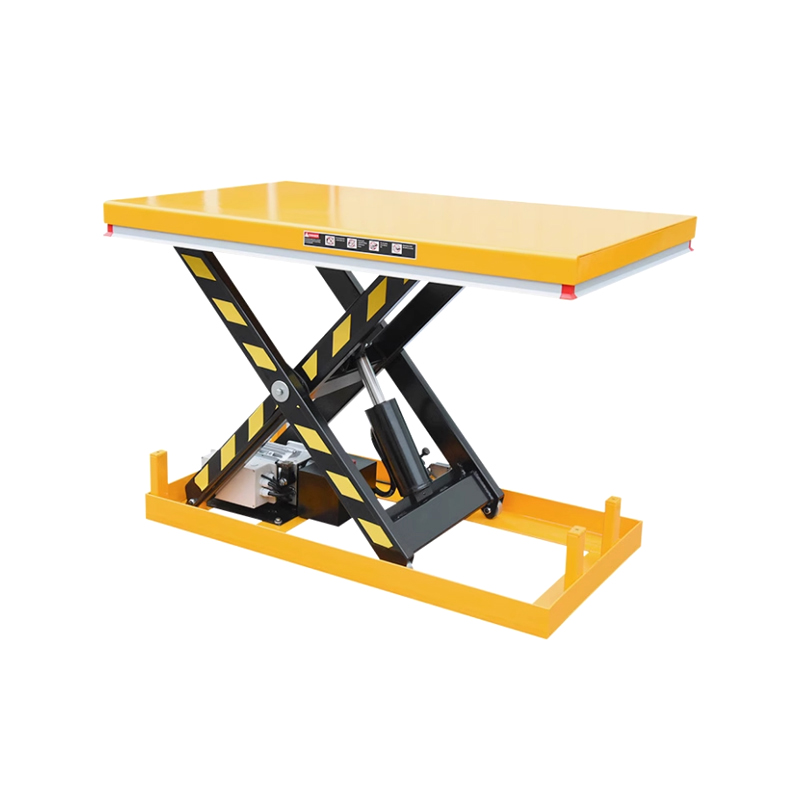
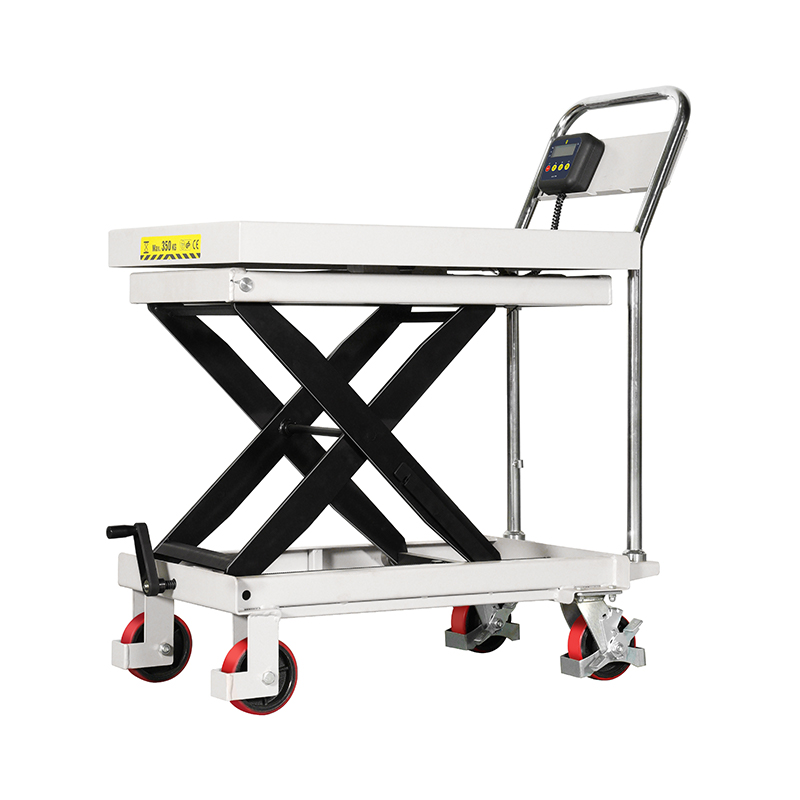
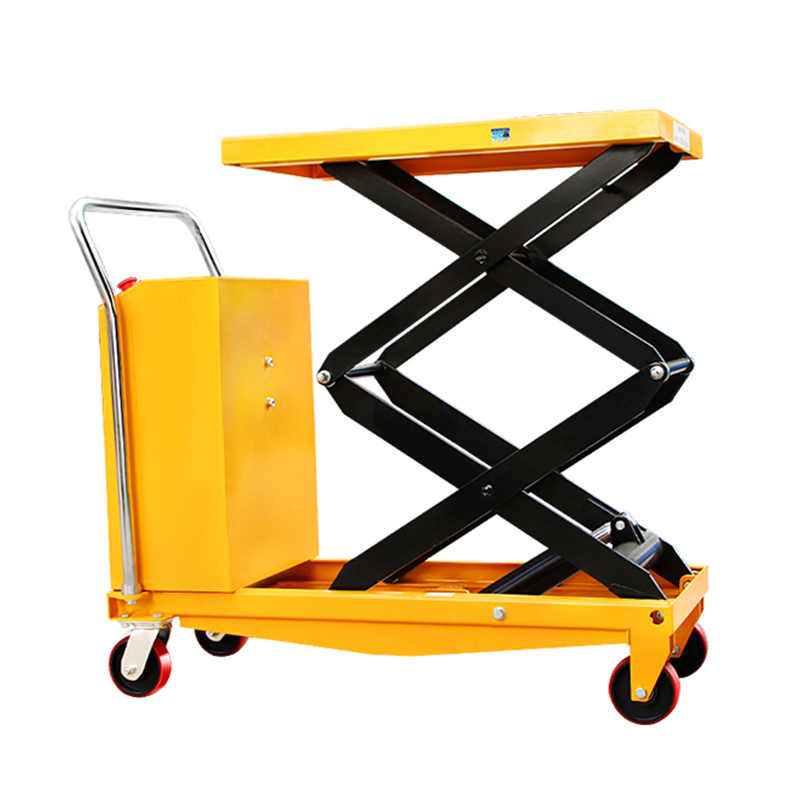
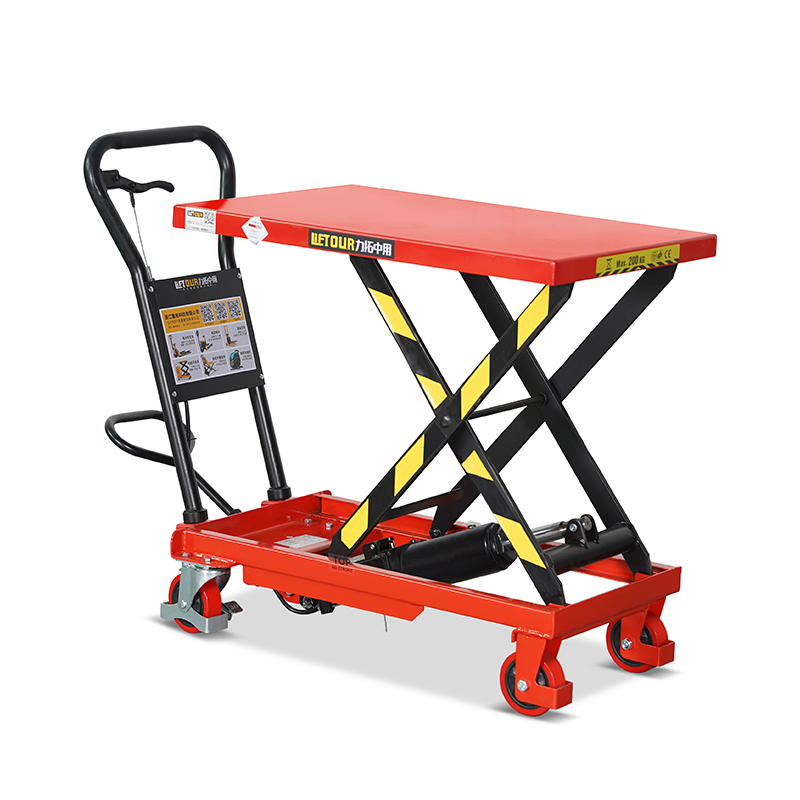
In modern industrial production, warehouse logistics, and engineering maintenance, the Lifting Platform Vehicle has become an indispensable piece of equipment. Whether in high-altitude operations, heavy equipment handling, or complex production line environments, it plays a crucial role. With enterprises increasingly demanding efficiency, safety, and automated management, traditional manual handling is gradually being replaced by this intelligent and flexible machinery.
The emergence of the Lifting Platform Vehicle not only improves work efficiency but also significantly reduces accident rates. It allows operators to perform high-difficulty, high-risk handling tasks in a safe environment through its stable lifting platform and strong load-bearing capacity. Additionally, this equipment can integrate with modern industrial Hydraulic Lift Systems to achieve precise control and stable operation.
This article provides a comprehensive analysis of the functions, industrial applications, safety operation standards, maintenance, and future development trends of the Lifting Platform Vehicle, helping enterprises and operators better understand and utilize this equipment to enhance productivity and safety.
Core Functions of the Lifting Platform Vehicle
Powerful Load-Bearing and Lifting Capacity
The most essential function of the Lifting Platform Vehicle is to carry heavy loads and achieve vertical lifting. Unlike traditional handcarts or forklifts, the lifting platform vehicle is usually equipped with a high-strength steel platform and an advanced hydraulic system, easily handling hundreds of kilograms or even tons of cargo. Operators can use simple control buttons or levers to lift heavy items to the desired height for precise handling.
The design emphasizes not only load-bearing capacity but also smooth lifting. When handling high-value or fragile items, the platform's cushioning and hydraulic adjustment mechanisms effectively prevent items from falling or shaking, ensuring item integrity. This smooth operation is particularly critical for high-altitude industrial applications.
The Key Role of Hydraulic Lift Systems
The hydraulic system is the core power source of the Lifting Platform Vehicle. Through hydraulic oil pressure, the platform achieves smooth and fast lifting. Compared to mechanical gears or winches, hydraulic lifts have advantages such as compact structure, high precision, low noise, and easy maintenance.
Modern hydraulic lift systems are equipped with dual safety devices: a safety valve to prevent overload and a buffer device to prevent sudden drops. This ensures that even near maximum load, operators remain safe. Additionally, hydraulic systems allow fine adjustment for precise positioning, which is essential for high-altitude installation or precise equipment handling.
Versatility and Operational Flexibility
The Lifting Platform Vehicle can not only lift vertically but also, depending on the model, adjust horizontally or in multiple directions. This flexibility makes it suitable for complex industrial environments, such as transferring materials between production lines, warehouse shelf handling, and high-level retrieval in workshops.
Moreover, operation methods are diverse: some models support manual operation, others electric drive, and high-end equipment can include remote control and intelligent programming. This variety allows enterprises to choose the most suitable device, improving efficiency while reducing labor costs.
Safety Design
Safety is a top priority in Lifting Platform Vehicle design. Modern lifting platform vehicles feature multiple safety devices on platform edges, control handles, and load-bearing parts, such as anti-slip platforms, emergency stop buttons, safety railings, and load monitoring systems, effectively preventing accidents during operation.
Especially in high-altitude operations, operators can secure themselves with safety belts, and the platform’s cushioning lift design prevents sudden drops. This not only protects operators but also prevents property damage due to equipment accidents.
Industrial Applications
Production Line Handling
In modern manufacturing, efficient production lines rely on timely material handling. The Lifting Platform Vehicle plays a core role here. Whether moving raw materials from the warehouse to the production line or transferring semi-finished products to the next process, it significantly increases handling speed.
Traditional manual handling often requires multiple workers and is time-consuming, with safety risks. A lifting platform vehicle can perform automated handling by a single person, freeing labor, reducing fatigue, and lowering accident risks. For example, in electronics assembly, precise components require stable handling, making the smooth lifting of Hydraulic Lift Systems essential.
Warehouse Logistics Management
Warehouse logistics is another important application for the Lifting Platform Vehicle. Modern warehouses store large quantities of goods on high racks, where traditional forklifts cannot maneuver in narrow spaces. Lifting platform vehicles, with adjustable height and multi-directional mobility, can efficiently access goods in dense storage areas.
Integrated with smart management systems, the vehicles can perform batch handling, precise positioning, and inventory optimization. For high-value or fragile items, smooth lifting prevents damage, saving time and reducing loss rates.
Engineering, Construction, and Equipment Maintenance
In large construction sites or industrial equipment maintenance, the Lifting Platform Vehicle is indispensable. Construction often requires high-altitude transport of building materials such as steel, wood, or pipes. The vehicle’s load capacity and lifting height meet these demands.
For equipment maintenance, many large machines or electrical facilities require high-altitude inspection or instrument installation. Traditional scaffolding is time-consuming and risky, whereas a lifting platform vehicle can elevate operators directly, saving time and enhancing safety.
Integration with Industrial Lifting Solutions
The Lifting Platform Vehicle is often integrated into broader Industrial Lifting Solutions. For example, multiple vehicles can be combined with automated conveyor systems to achieve full-process material handling in large factories. This integration optimizes efficiency and overall factory management, reducing repetitive handling and health risks associated with prolonged manual labor.
Safety Operation Guidelines
Pre-Operation Checks
Safety is paramount when operating the Lifting Platform Vehicle. Despite built-in protections, misuse can still cause accidents. Operators must perform systematic pre-operation checks, including the hydraulic system, platform structure, wheels, control buttons, and safety railings. Any abnormalities can increase operational risk.
Daily checks can be performed using a table like this:
| Check Item | Inspection Content | Pass |
| Hydraulic System | Check oil level, leaks | □ Yes □ No |
| Platform Structure | Check for cracks or deformation | □ Yes □ No |
| Control Buttons | Check lift, lower, and emergency stop responsiveness | □ Yes □ No |
| Safety Railings | Check firmness | □ Yes □ No |
| Wheels & Brakes | Check smooth movement and braking | □ Yes □ No |
Strict pre-operation checks can identify potential issues early, preventing accidents and ensuring workplace safety.
Operational Precautions
While using the Lifting Platform Vehicle, the following principles must be observed:
- Do not overload: Exceeding the rated load can damage the hydraulic system and cause sudden drops.
- Smooth operation: Lift and lower slowly to avoid shaking the cargo.
- Avoid sudden movements at height: Quick movement or sharp turns can cause tipping.
- Safety belts and railings: Use when operating at height to ensure stability.
- Watch surroundings: Ensure no obstacles, personnel, or equipment are in the way.
Adhering to these guidelines greatly reduces operational risks and improves both safety and efficiency.
Maintenance and Upkeep
Daily Maintenance
Long-term reliability of the Lifting Platform Vehicle depends on proper maintenance. Daily tasks include:
- Hydraulic system: Check oil level and quality, ensure smooth operation.
- Platform structure: Inspect surface, railings, and supports for cracks or loosening.
- Wheels and brakes: Ensure smooth movement and responsive braking.
- Control system: Keep buttons, levers, and remote controls responsive.
Periodic Maintenance
Periodic maintenance includes:
- Hydraulic oil replacement: Every 6–12 months to maintain cleanliness and pump longevity.
- Key component inspection: Hydraulic cylinders, pumps, motors, and control systems annually or after 2000 operational hours.
- Fastener checks: Bolts, nuts, and platform connectors must be tightened regularly.
Environmental Storage
The vehicle should be stored in a dry, ventilated area. Prolonged exposure to moisture or corrosive environments should be avoided. If unused for long periods, lower the platform to the minimum position and disconnect power to ensure safety.
Advantages and Future Trends of the Lifting Platform Vehicle
Efficiency and Cost Reduction
The biggest advantage of the Lifting Platform Vehicle is improving handling efficiency and reducing labor costs. Compared to manual handling, a single operator can manage heavy loads, reducing time and workforce requirements.
- Save labor costs: Reduce manual handling and risk of injury.
- Increase production efficiency: Faster material handling shortens production cycles.
- Stable handling: The hydraulic system ensures smooth operation, protecting goods.
Safety Advantages
Safety is a critical factor. Multiple safety features, such as platform railings, safety belts, emergency stops, and load monitoring, greatly reduce accident rates.
| Advantage Type | Description | Application Value |
| Operational Safety | Multiple safety features | Reduces high-altitude accidents |
| Load Monitoring | Prevents overloading | Prevents equipment damage and accidents |
| Smooth Lifting | Hydraulic cushioning | Protects cargo and operators |
| Automation Control | Remote or intelligent operation | Enhances efficiency |
Intelligent and Automated Trends
With industrial intelligence development, Lifting Platform Vehicles are trending toward automation:
- Automated navigation and positioning: Vehicles can move automatically to target positions.
- Remote monitoring and control: Managers can monitor equipment in real-time and schedule maintenance.
- Data analysis and predictive maintenance: Operational data predicts potential failures, reducing downtime.
In the future, lifting platform vehicles are expected to play a larger role in industrial automation, smart warehousing, and unmanned handling, becoming a key infrastructure in material handling.
Conclusion
The Lifting Platform Vehicle has become indispensable in modern industrial production, warehouse logistics, and engineering maintenance. With strong load-bearing capacity, smooth lifting performance, and versatile operation, it improves efficiency, ensures safety, and reduces costs.
By strictly following operational protocols, performing proper maintenance, and leveraging modern smart technologies, enterprises can fully utilize the value of lifting platform vehicles. They provide reliable solutions in production line handling, warehouse logistics, and high-altitude maintenance, advancing industrial handling toward automation, intelligence, and safety.
Mastering proper operation and maintenance of the Lifting Platform Vehicle not only enhances production efficiency but also ensures operator safety, creating greater value in modern industrial operations.