
 English
 Deutsch
 Español
 Français
 Беларуская

A 300 kg fixture has to come off a pallet and sit at workbench height for fitting — forty times a shift, and the nearest power outlet is across the aisle. That is the exact job a manual lift platform truck exists to do. The short version: if your loads fall in the light-to-moderate range, your lift travel stays within about a metre, and lifting happens intermittently rather than every minute, a manually pumped scissor platform is usually the most economical tool for the job. It costs less to buy than a powered unit, needs no battery or charger, and has so few components that downtime is rare. This guide covers how these trucks work, where they beat powered alternatives, which numbers to check before ordering, and how to run one safely.
What Exactly Is a Manual Lift Platform Truck?
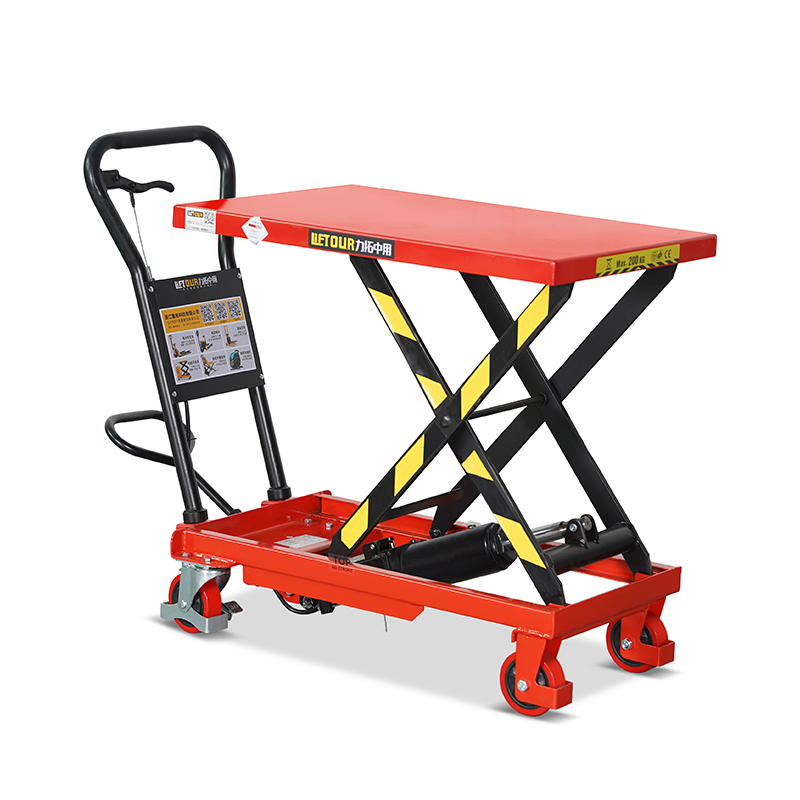
Strip away the jargon and you are left with four things: a flat platform, a scissor linkage, a hydraulic pump, and a set of wheels. You roll the platform under or beside the load, pump a foot pedal or a handle to push oil into the cylinder, and the scissor arms extend to raise the platform. Open the release valve and the load settles back down in a controlled descent. No buttons, no battery, no programming — which is precisely why workshops keep relying on them shift after shift.
Three details define how any given unit behaves:
- Pump type. A foot pedal keeps both hands free for steadying the load, which matters more than most first-time buyers expect. A handle pump offers finer control and doubles as the steering tiller.
- Scissor geometry. It sets both the collapsed height and the maximum lift. Low collapsed heights let the platform slide under a pallet or skid; taller scissor stacks reach working heights around and above one metre.
- Chassis and wheels. Steering casters carry the rolling effort. Wheel diameter and bearing quality decide whether the truck glides over floor joints or fights you at every threshold strip.
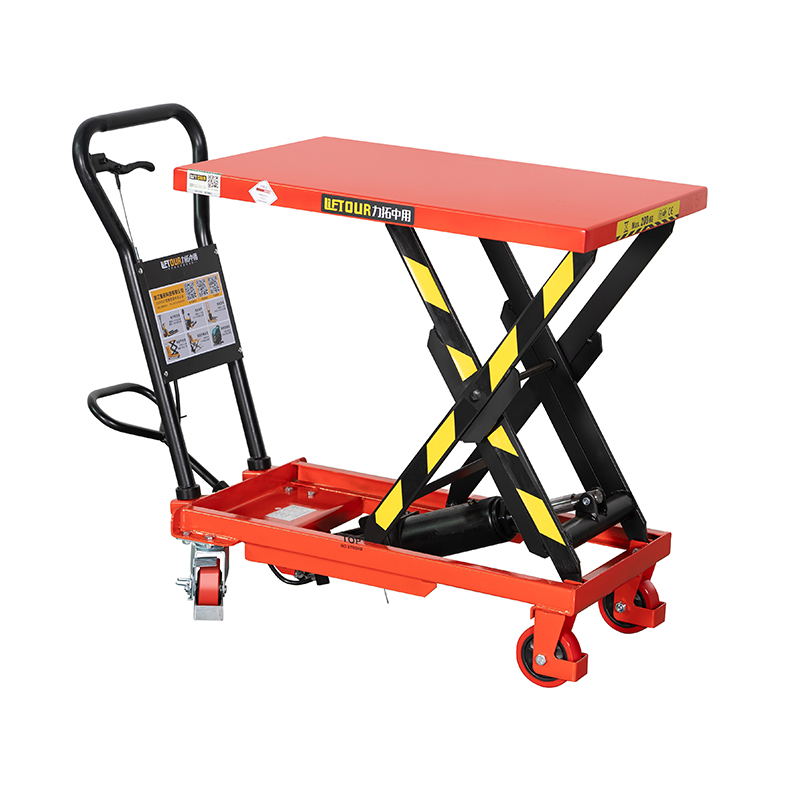 Manual Scissor Lift Platform Truck for Repeated Short-Travel LiftingOffers capacities from 150kg to 2000kg and lifting heights from 0.7m to 2m. Foot-pedal lifting and hand-lever lowering make it well suited to short, repetitive jobs where no forks are needed, with a reinforced scissor frame for stable load-bearing.View Product →
Where It Pays Off
The common thread across these jobs: the load has no pallet forks to grab, travel is short, and the same lifting height repeats all day long.
Assembly stations
Holds parts at elbow height so operators stop bending into the same bin hundreds of times a shift.
Die and fixture handling
Positions heavy tooling at press height, where a pallet truck's forks offer no support underneath.
Pallet-to-bench transfer
Bridges the gap between a pallet sitting low on the floor and a workbench at standard height.
Machine feeding
Feeds blanks and components into presses or machines at the height the operator actually works.
Packing and sortation
Raises cartons to conveyor or table level so packing stays a standing job instead of a stooping one.
Clean and quiet zones
No exhaust, no charger, minimal noise — a natural fit for food, pharmaceutical, and laboratory floors.
Manual or Electric? Where the Line Sits
Choose manual when lifts are intermittent, loads are moderate, and the truck stays at one or two stations. Choose electric when the platform cycles continuously, loads creep upward, or the unit has to travel across a large hall. Buying electric for occasional lifting ties up budget in battery capacity you will never use; buying manual for high-frequency lifting trades a small saving for operator fatigue every single day.
| Factor | Manual platform truck | Electric lift platform truck |
|---|---|---|
| Power source | Foot or hand hydraulic pump | Battery-driven lifting, often with powered travel |
| Lifting rhythm | Occasional lifts, minutes apart | Continuous cycling through a full shift |
| Practical load range | Light to moderate loads handled comfortably by one operator | Heavier loads moved without operator fatigue |
| Running cost | None beyond occasional hydraulic oil | Charging plus battery upkeep |
| Maintenance focus | Seals, release valve, scissor pins | Battery, controller, and electrics, plus the same mechanical wear items |
| Best fit | Small workshops, single stations, no power at the point of use | High-throughput lines, long travel routes, heavier loads |
Both types share the same platform logic, so switching later is rarely disruptive. A manufacturer that builds both versions on comparable chassis — as we do across our lifting platform range — keeps platform sizes and wheel options consistent if your needs change down the road.
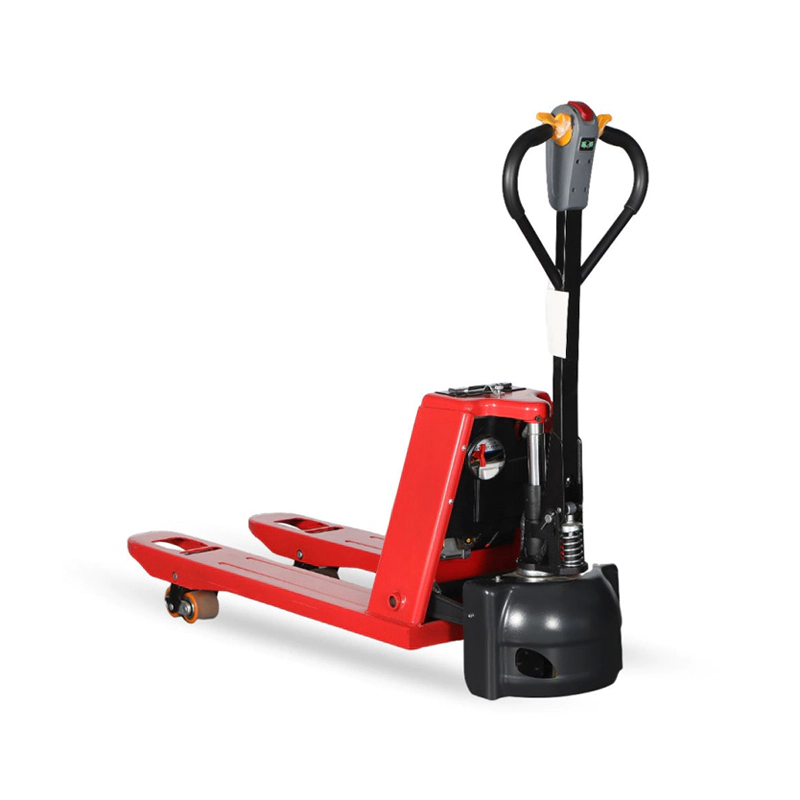
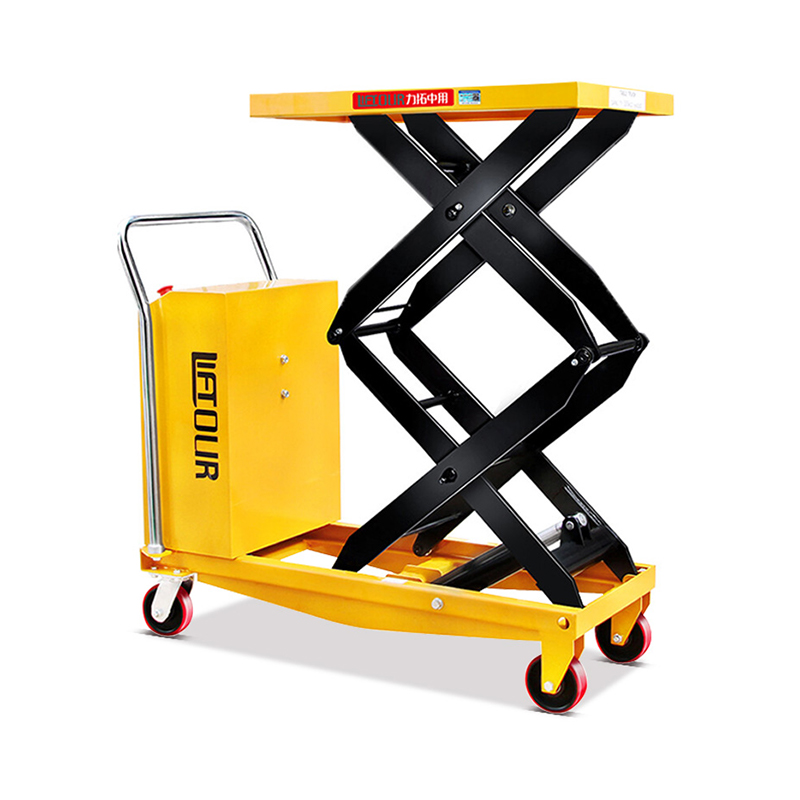 Electric Lift Platform Truck with Push-Button Lifting ControlThe powered version of the same platform concept, with capacities from 150kg to 2000kg and lift heights from 0.7m to 2m. Button-operated lifting and lowering, overload protection, and braked PU wheels save effort on frequent lifts while keeping platform sizes consistent with the manual range.View Product →
What to Check Before You Order
Get five numbers right — capacity, collapsed height, raised height, platform size, and pump style — and the rest is preference. The most common mistake is buying on paper dimensions: the raised height looks fine in a catalog and then misses the machine table by 50 mm on site. Measure everything against the real workstation.
Match the dimensions to the workplace
- Rated capacity. Take your heaviest everyday load and choose a rating comfortably above it, not exactly at it. Occasional overweight loads are how scissor arms get bent.
- Collapsed height. It must clear your lowest pickup point — a pallet's underside, a skid, or a floor-level fixture.
- Raised height. Match the bench, machine table, or conveyor the load is destined for, and confirm the number with a tape measure.
- Platform size. Long or awkward loads need full surface support; keep the center of gravity inside the platform edges at all times.
Decide the operating details
- Pump style. A foot pedal suits hands-free, frequent cycling; a handle pump suits precision positioning and tighter budgets.
- Floor conditions. Manual units assume smooth indoor slabs. Larger wheel diameters cope better with expansion joints, threshold strips, and the occasional stray debris.
- Environment. Damp, corrosive, or hygiene-critical areas call for protected or stainless construction; stainless variants exist across the wider product family for exactly these cases.
For platform dimensions and model options gathered in one place, the lifting platform vehicle brochure is the fastest reference to compare before requesting a quote.
One variant deserves a second look if weight matters to your process: a weighing manual lifting platform truck combines the scissor lift with on-board weighing, so you position the load and confirm its mass in the same motion — genuinely useful wherever goods are billed, batched, or checked by weight as they move.
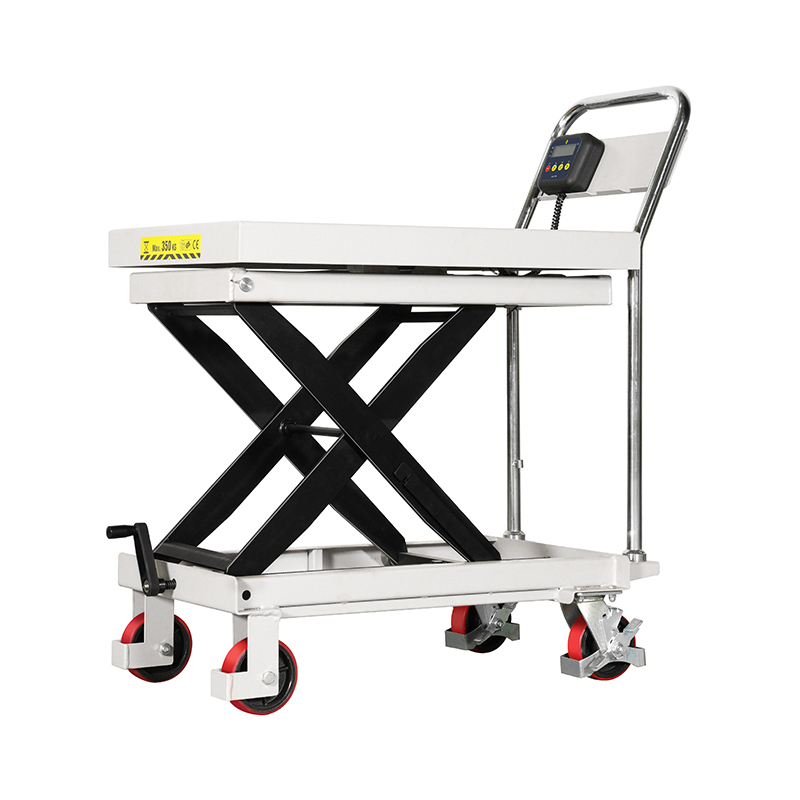 Weighing Manual Lift Platform Truck CPT300 with Built-In SensorsA scissor lift platform fitted with high-precision sensors beneath the table, letting operators position loads and confirm weight in one motion. Useful wherever goods are billed, batched, or checked by weight, with hand-cranked or hydraulic lifting and braked PU wheels.View Product →
Five Habits for Safe, Smooth Operation
Incidents with lifting equipment rarely come from exotic failures; they come from routine shortcuts. The pattern is the same one described in these key safety tips for lifting equipment — and the five habits below apply specifically to manual platforms.
- 1
Check before the first lift. A ten-second glance at the wheels, the platform surface, and the area under the scissor for oil weeping or debris prevents most surprises.
- 2
Center the load. Off-center loads twist the scissor arms and wear the pins unevenly. Keep the heaviest part of the load near the middle of the platform.
- 3
Stabilize before raising. Raise the platform only on firm, level ground, with the casters locked or the wheels chocked.
- 4
Keep hands and feet clear. Nothing goes under the platform or inside the scissor while it is raised, and nobody steadies a load by gripping the platform edge.
- 5
Lower fully before traveling. The truck rolls best — and safest — in the collapsed position. Open the release valve slowly for a smooth descent rather than a drop.
Frequently Asked Questions
How much weight can a manual lift platform truck handle?
Typical manual scissor platforms span light-duty models around 150 kg up to heavy units approaching a tonne. Match the rating to your heaviest everyday load with a margin, rather than sizing to a one-off peak.
Is a foot pump or a handle pump better?
A foot pump frees both hands to steady or guide the load, which pays off in frequent cycling. A handle pump gives finer control on slow, precise positioning and usually costs less.
How is this different from a manual stacker?
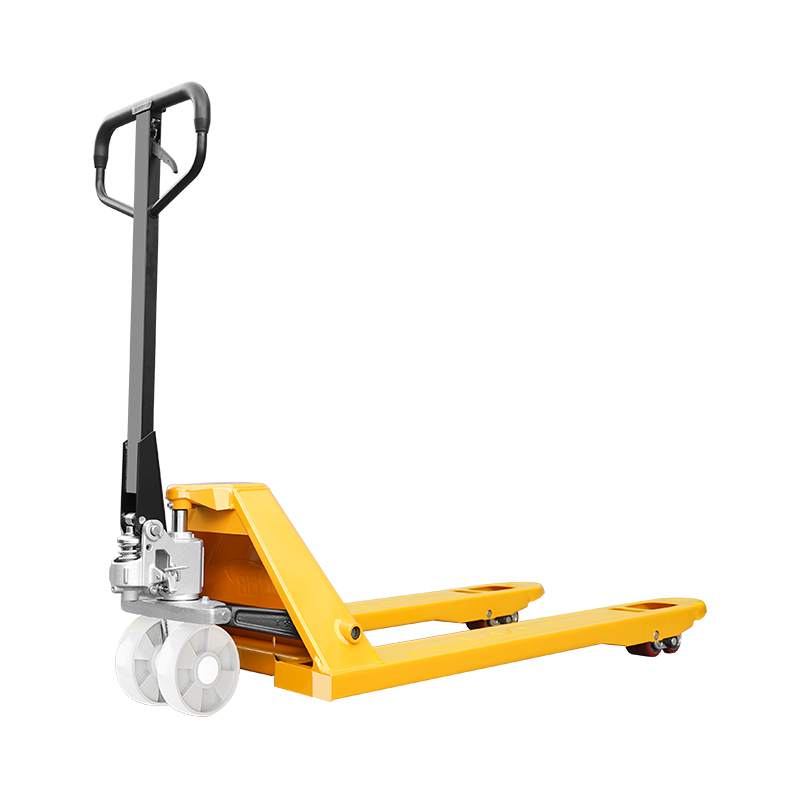
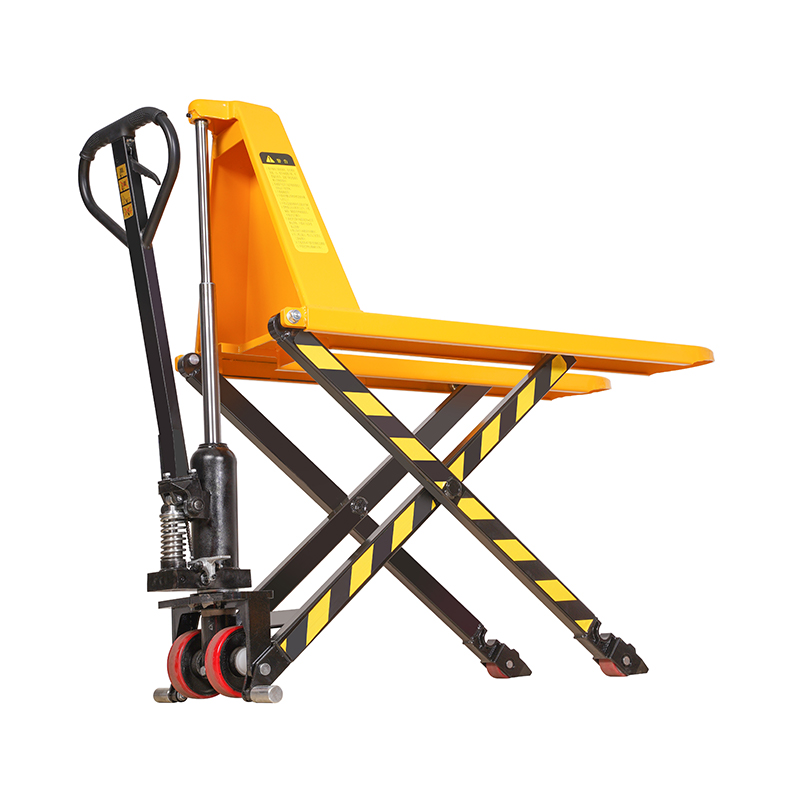
A stacker lifts palletized loads on forks, typically to store them at height. A lift platform truck supports the whole load surface on a platform and is built for positioning work at working height, not racking storage.
What maintenance does one need?
Very little: keep the scissor pins lightly greased, watch for oil weeping at the cylinder seal, top up the hydraulic oil per the manual, and replace worn casters early. Jerky or slow descent usually points to the release valve or the oil level — both inexpensive fixes when caught in time.
A manual lift platform truck is not a complicated purchase, but it rewards the unglamorous homework: measure the station, weigh the load honestly, and match the collapsed and raised heights to the real work. Do that, and the truck fades into the background of the shift — which is exactly what good handling equipment should do. If you are weighing manual against powered options for a specific station, share your actual load and height data and our team can size both against it before you commit.