
 English
 Deutsch
 Español
 Français
 Беларуская

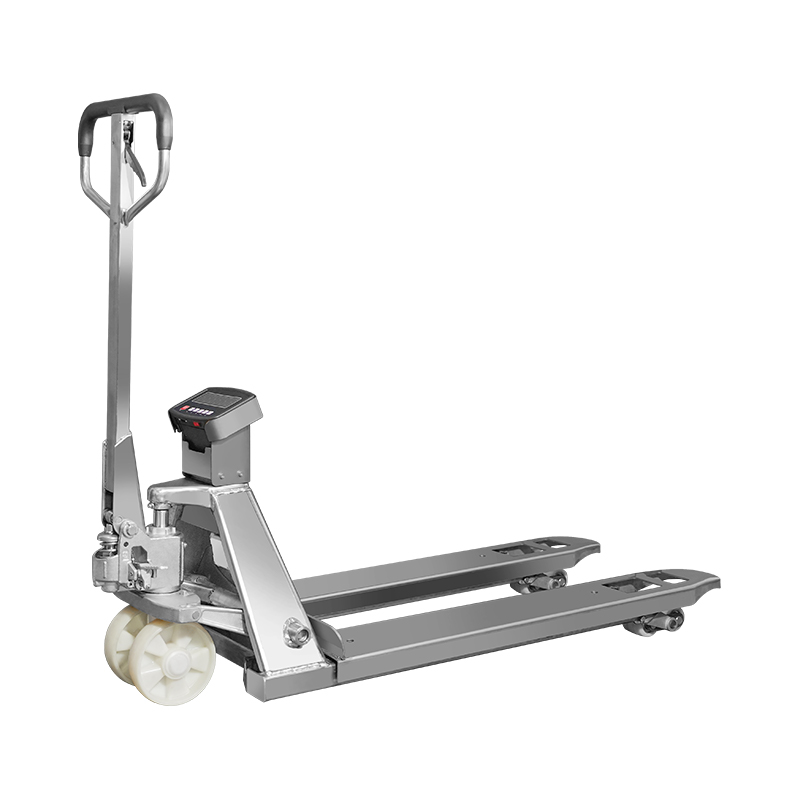
When it comes to material handling in highly corrosive, wet, or strictly regulated hygienic environments, a stainless steel pallet truck is the indispensable and ultimate solution. Unlike standard painted or galvanized equipment that degrades over time, stainless steel provides unmatched structural integrity and rust resistance. For industries such as food processing, pharmaceuticals, and chemical manufacturing, investing in this equipment is not merely a preference but a critical operational necessity to ensure safety, compliance, and long-term cost efficiency.
Core Advantages of Stainless Steel Construction
The decision to upgrade from standard manual handling equipment to stainless steel models is driven by several distinct, practical advantages that directly impact daily operations and long-term overhead costs.
Exceptional Corrosion and Rust Resistance
The primary and most obvious benefit is the material's inherent ability to withstand moisture and corrosive substances. Standard pallet trucks with painted frames will inevitably chip, exposing the underlying steel to oxidation. Stainless steel contains chromium, which forms a passive protective layer on the surface. This invisible layer prevents rust even when exposed to constant washdowns, making it highly reliable in persistently damp settings.
Superior Hygiene and Sanitation Compliance
In environments where strict sanitation is mandatory, equipment design matters. Stainless steel surfaces are non-porous, meaning they do not harbor bacteria, mold, or microorganisms. The smooth finish allows for easy and thorough cleaning, eliminating the crevices and chipped paint found on standard trucks where contaminants might accumulate. This characteristic ensures seamless compliance with rigorous health and safety standards.
Long-Term Economic Value
While the initial acquisition cost is higher compared to standard or galvanized options, the total cost of ownership tells a different story. Because it does not rust or degrade, the frequency of part replacements and repairs is drastically reduced. The operational lifespan of a stainless steel pallet truck often exceeds standard models by a significant margin, providing a far better return on investment over time.
Primary Industry Applications
The unique properties of this material handling tool make it highly sought after in specific sectors where standard equipment would fail quickly or pose a contamination risk.
Food and Beverage Processing
Facilities that handle raw meats, dairy, and seafood require heavy daily washdowns using harsh chemical sanitizers and high-pressure water. A stainless steel pallet truck endures these aggressive cleaning protocols without compromising structural stability, ensuring that the handling of ingredients remains hygienic.
Pharmaceutical and Medical Manufacturing
In pharmaceutical labs and medical device manufacturing, cleanrooms and sterile zones are mandatory. Contaminants introduced via rusting or flaking paint from standard equipment can ruin expensive batches. Stainless models are the standard here because they maintain a sterile profile and do not shed particulates.
Cold Storage and Freezer Warehouses
Sub-zero environments accelerate the degradation of standard equipment. Condensation forms on the cold metal when moved between temperature zones, leading to rapid rusting. Stainless steel pallet trucks resist the condensation cycle flawlessly, maintaining smooth hydraulic operation even in deep freeze conditions.
Chemical and Marine Environments
Whether transporting aggressive chemical compounds or operating on coastal docks where saltwater spray is prevalent, the chromium and nickel content in the alloy provides an essential barrier against chemical reactions and salt-induced oxidation.
Comparative Analysis: Stainless Steel vs. Galvanized vs. Standard
Understanding how stainless steel compares to other common materials helps clarify its specific value proposition. Each material serves a purpose, but their capabilities in harsh conditions differ vastly.
| Feature | Stainless Steel | Galvanized | Standard Painted |
|---|---|---|---|
| Rust Resistance | Excellent | Moderate | Poor |
| Hygiene Level | Highest | Moderate | Low |
| Chemical Resistance | Excellent | Moderate | Low |
| Initial Cost | High | Medium | Low |
| Lifespan in Wet Areas | Very Long | Medium | Short |
As demonstrated above, galvanized trucks offer a middle ground for mildly damp areas, while standard painted trucks are restricted to dry, climate-controlled settings. Stainless steel remains the only option that guarantees both hygiene and longevity in severely wet or corrosive environments.
Critical Components and Design Considerations
A truly reliable stainless steel pallet truck is defined by more than just its frame. Several other components must also be upgraded to ensure the entire unit can withstand harsh operational demands without failing prematurely.
Hydraulic System Integrity
The hydraulic pump is the heart of the pallet truck. For wet or corrosive environments, the pump must be entirely sealed and constructed from stainless steel or heavily protected alloys. If the internal components of the hydraulic system are exposed to moisture, they will seize, causing operational failure regardless of how durable the fork frame is.
Wheel and Roller Materials
Standard nylon or rubber wheels can degrade, become brittle in cold temperatures, or harbor bacteria in their tread patterns. For strict environments, selecting the right wheel material is crucial. Common options include:
- Non-marking polyurethane: Resists chemical exposure and provides smooth, quiet operation.
- Stainless steel casters: Essential for extremely heavy loads in highly corrosive settings where polymer wheels might fail.
- Vulkollan: Offers exceptional load capacity and extreme cut resistance for harsh industrial floors.
Ergonomic and Safety Features
Operating in wet environments increases the risk of slipping. Therefore, the handle design should feature textured, non-slip grips. Additionally, the entry and exit rollers on the forks must operate smoothly to prevent jerky movements that could cause the load to shift on wet surfaces. Integrating reliable braking mechanisms is also critical when operating on loading dock inclines.
Essential Maintenance and Care Guidelines
Although stainless steel pallet trucks are built for extreme durability, neglecting routine maintenance will still lead to premature wear and compromised safety. A structured care routine ensures optimal performance.
- Thorough Post-Shift Cleaning: Rinse off chemical residues, salt, or organic matter promptly. Do not allow corrosive substances to sit on the surface for extended periods.
- Hydraulic Fluid Checks: Regularly inspect the hydraulic oil level. Use specialized hydraulic fluid rated for your facility's temperature range, especially if operating in cold storage.
- Lubrication of Moving Parts: Even though the frame is rust-proof, the internal moving joints and linkages require periodic grease applications to maintain smooth steering and lifting action.
- Wheel and Axle Inspection: Clear debris from the wheel treads and check the axle bearings for wear. Smooth rolling reduces physical strain on the operator and protects the load.
- Seal Examination: Inspect the hydraulic pump seals regularly. Damaged seals allow moisture to infiltrate the system, which will cause internal corrosion and eventual hydraulic failure.
Strategic Implementation for Operational Efficiency
Integrating a stainless steel pallet truck into a facility's workflow should be done strategically to maximize the return on investment. Since these units represent a higher initial capital expenditure, they should be deployed precisely where their specific attributes are necessary.
Assigning these specialized trucks to dry, climate-controlled warehouse zones is a misuse of resources. Instead, zone your equipment effectively. Use standard trucks for receiving docks and dry storage aisles, and reserve the stainless steel models exclusively for the production floor, the washdown areas, and the cold rooms. Proper allocation ensures that the equipment serves its intended purpose without incurring unnecessary costs.
Furthermore, training operators on the correct use and cleaning procedures is vital. Mishandling, such as exceeding the load capacity or using abrasive cleaning pads that scratch the protective chromium layer, can compromise the material's inherent rust resistance. Educating staff on the unique nature of the equipment protects the investment and maintains a safe, compliant working environment.